 Call Us
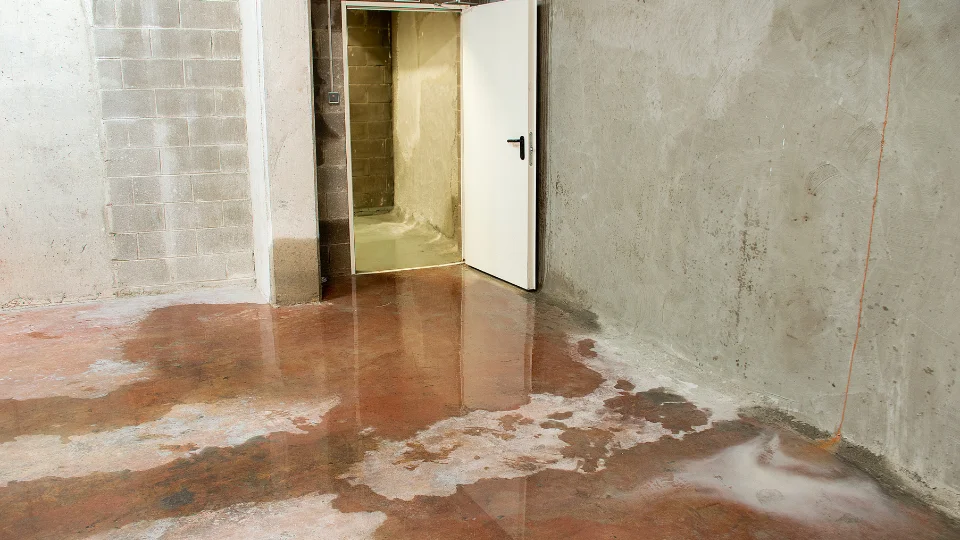
Heavy rainstorms can cause major problems for Maryland homeowners—especially if your basement isn’t properly protected. Finding water leaking into your basement after heavy rain isn’t just frustrating. It’s a warning sign that your home’s foundation and drainage system might need serious attention.
Whether it’s a one-time leak or a recurring issue, basement water problems can lead to mold, structural damage, and costly repairs. This guide breaks down the most common causes, signs to watch for, immediate steps you can take, and long-term solutions that actually work.
Why Water Leaks Into Your Basement After Heavy Rain
When rain falls hard and fast, the ground surrounding your home absorbs a large amount of water. If your home lacks proper drainage or has a vulnerable foundation, that water has nowhere to go but into your basement.
Here are the most common reasons it happens:
Saturated Soil Around the Foundation: After heavy rainfall, soil becomes oversaturated, putting pressure on your foundation walls. Over time, this can lead to cracks that allow water to seep in.
Poor Exterior Drainage: Clogged gutters, short downspouts, or poorly sloped landscaping all direct water toward your foundation instead of away from it.
Cracks in Foundation Walls or Floors: Even small cracks can let water in during storms. Once water finds a way in, it can continue to worsen the problem.
Hydrostatic Pressure: This occurs when water builds up in the soil around your basement and pushes against the walls and floor. It often leads to leaks in corners or the base of the walls.
Sump Pump Issues: A failed or undersized sump pump may not be able to handle large volumes of water during a heavy storm.
If you’re dealing with any of these issues, the Environmental Protection Agency offers guidance on moisture control and mold prevention that’s helpful for homeowners looking to understand how water damage starts.
Warning Signs of a Basement Water Leak
You don’t always need to see a puddle to know there’s a problem. Watch for these signs if you suspect water leaking into your basement after heavy rain:
Musty or damp odors
Water stains along the base of walls
Bubbling paint or peeling drywall
Visible mold patches
Condensation on windows or pipes
Warped or lifted flooring
These warning signs usually mean that water has been getting in over time. If ignored, they can lead to mold growth and bigger structural issues.
Short-Term Steps to Handle Immediate Leaks
If your basement floods during a storm, here’s how to take control of the situation:
Remove Standing Water: Use a wet/dry vacuum or sump pump to clear out the water as quickly as possible.
Dry the Area: Place fans and dehumidifiers throughout the space to lower humidity and prevent mold.
Seal Visible Cracks: You can temporarily patch small cracks with hydraulic cement, though this is not a permanent fix.
Move Belongings: Remove storage items, boxes, or furniture that are on the basement floor to prevent further damage.
While these steps can help you control damage short term, they don’t address the cause of the problem.
Long-Term Solutions for Preventing Water Leaking into Your Basement After Heavy Rain
If you want to avoid repeat issues, you’ll need to take preventative measures. Here’s what works:
1. Waterproof Interior Basement Surfaces
Coatings like waterproof paint or vapor barriers can reduce moisture but are best when used with other methods. They do not stop water from entering but help reduce its impact.
2. Improve Exterior Drainage
Make sure gutters are clean and downspouts extend at least six feet away from your home. You may also need to regrade your yard so it slopes away from the foundation.
3. Install or Upgrade a Sump Pump
A properly functioning sump pump is essential. Battery backups help keep it running during power outages caused by storms.
4. Repair Cracks and Seal Foundation Walls
Professional injection of epoxy or polyurethane foam can seal cracks permanently. In some cases, exterior excavation and sealing may be necessary.
5. Add a Vapor Barrier or Encapsulation
If you have a crawl space, installing a vapor barrier or full encapsulation system helps reduce humidity and prevents water buildup underneath your home.
When to Call a Waterproofing and Mold Remediation Expert
Some basement leaks are too large or complex to fix on your own. You should contact a professional if:
The leak keeps returning after every storm
There’s visible mold growth
The foundation shows cracks or shifting
Your sump pump runs constantly or not at all
Mold isn’t just an eyesore—it can cause serious health problems, especially for people with allergies or asthma. According to the Centers for Disease Control and Prevention, mold exposure can lead to coughing, eye irritation, and even lung infections in vulnerable individuals.
Professional mold remediation and waterproofing teams have the tools and training to solve these problems safely and permanently.
Why Maryland Homeowners Trust Local Professionals
Not every waterproofing method works for every home. Maryland homeowners face specific challenges due to our soil types, rainfall patterns, and older housing stock. That’s why it’s important to choose a contractor who understands local conditions and knows how to stop water leaking into your basement after heavy rain—not just cover it up.
Experienced contractors can spot problems faster, recommend long-term fixes, and make sure your basement stays dry year-round.
Stop Water Leaks Before They Get Worse
For homeowners with finished basements, even a small leak can result in thousands of dollars in damage to flooring, drywall, insulation, and personal belongings. Moisture trapped behind walls or under flooring creates an ideal environment for mold to grow undetected. That’s why it’s so important to take any sign of water leaking into your basement after heavy rain seriously. A fast response can prevent the need for expensive restoration work and help protect the long-term value of your home.
Maryland Mold and Waterproofing helps homeowners throughout Maryland protect their homes with permanent solutions. From expert inspections to full-scale waterproofing and mold remediation, our team has the experience to keep your basement dry and your home safe.
Contact us today to schedule your inspection and take the first step toward a dry, healthy basement.
John Rivers is the guiding force behind Maryland Mold and Waterproofing, specializing in comprehensive waterproofing and mold remediation services. With a focus on protecting buildings from the damaging effects of water and mold, John has established the company as a leader in creating safe, dry, and healthy living environments. His commitment to using advanced techniques and materials ensures effective solutions for every project. Maryland Mold and Waterproofing is dedicated to educating clients on the importance of moisture control and mold prevention, offering expert advice and services to address and prevent these issues effectively.