
 Call Us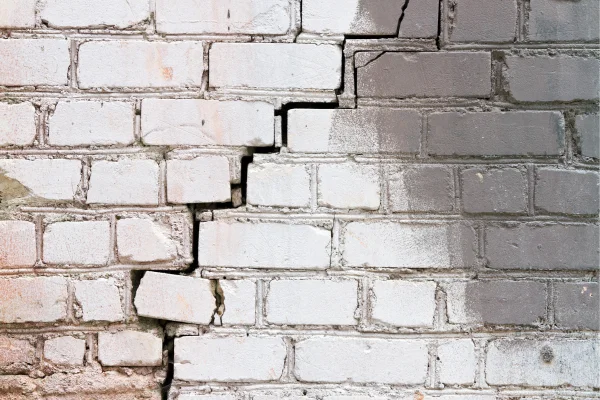
Bowing basement walls are one of the most serious structural problems a homeowner can face. When walls start to curve inward, it’s a clear sign of pressure from the outside—usually due to water, expansive soil, or hydrostatic pressure. Left untreated, this issue can lead to cracks, leaks, and even foundation failure. For homeowners in Maryland, where heavy rains, clay soil, and seasonal shifts are common, knowing how to repair bowing basement walls effectively is key to protecting your home’s structure and value.
This guide explains why bowing basement walls happen, what repair options are available, and which methods work best depending on the severity of the damage.
What Causes Bowing Basement Walls?
Bowing basement walls don’t happen overnight. Most of the time, it’s a slow process that starts with outside pressure pushing against your home’s foundation. The most common causes include:
Hydrostatic Pressure: When water accumulates in the soil around your home, it creates pressure that pushes against basement walls. Over time, this pressure can cause walls to bend inward.
Expansive Clay Soils: Much of Maryland has clay-rich soil. When it gets wet, it swells and exerts more pressure against basement walls.
Poor Drainage: Gutters that overflow or sloped yards that direct water toward the foundation can speed up the damage.
Freeze-Thaw Cycles: In colder months, water in the soil can freeze, expand, and push against basement walls.
No matter the cause, bowing basement walls are a red flag. Acting early can prevent bigger and more expensive problems down the line.
Signs Your Basement Walls Are Bowing
In many homes, the signs of bowing basement walls are easy to miss unless you’re specifically looking for them. Here are the most common indicators:
Horizontal or stair-step cracks in the walls
Walls that bulge or curve inward
Water seepage or damp spots
Difficulty closing basement windows or doors
Soil pulling away from the foundation on the outside
If you notice one or more of these issues, it’s a good idea to have your basement inspected by a professional. Catching the problem early makes repairs easier and more affordable.
Effective Ways to Repair Bowing Basement Walls
The right repair method depends on how far the wall has bowed, what’s causing the movement, and how accessible the wall is from the inside or outside. Below are the most common and effective repair options.
1. Wall Anchors
Wall anchor systems are a popular fix for bowing basement walls that have shifted less than two inches. This system involves placing a steel plate on the interior wall and connecting it to an anchor buried several feet away in the yard using a steel rod. The anchor pulls the wall back into position over time and prevents further movement.
Wall anchors are ideal when the soil outside the home is stable and accessible. They require minimal disruption to your yard and are one of the most cost-effective long-term solutions.
2. Carbon Fiber Straps
For walls that have bowed slightly and are not continuing to move, carbon fiber reinforcement straps can be an excellent choice. These straps are made from a high-strength material that’s bonded to the wall with epoxy. Once installed, they prevent further inward movement.
Carbon fiber straps are a great solution because they are low-profile and don’t take up any interior space. You can paint over them, and they work well in finished basements. While they don’t straighten walls, they stop the problem from getting worse.
3. Steel I-Beams
Steel I-beams are another interior reinforcement method used when walls are bowing more significantly or when soil conditions make exterior excavation difficult. These beams are anchored to the basement floor and ceiling and provide a strong vertical brace to hold the wall in place.
This method is more invasive than carbon fiber straps but often more effective for walls with more noticeable deflection. It also works well in homes where wall anchors can’t be used due to space or soil conditions.
4. Excavation and Wall Straightening
In cases where the wall has bowed more than four inches or is at risk of collapsing, excavation and wall straightening may be necessary. This process involves digging out the soil from around the foundation, then using hydraulic jacks or other equipment to push the wall back into position. Once the wall is straightened, it may be reinforced using one of the methods above.
This is the most labor-intensive and expensive solution but is sometimes the only option when the structural damage is advanced. It’s also an opportunity to improve drainage around the foundation to prevent future problems.
5. Waterproofing and Drainage Improvements
No matter how you repair bowing basement walls, the job isn’t done until you address the underlying cause—usually water. Without improving drainage, the pressure that caused the problem will return.
Waterproofing solutions might include:
Installing or upgrading interior or exterior drain tile systems
Adding sump pumps to remove water from the basement
Improving grading around the foundation
Extending downspouts and repairing gutters
Making these improvements helps reduce hydrostatic pressure and protect your investment long after the wall is repaired. To learn more about the science behind hydrostatic pressure and how it contributes to foundation problems, the U.S. Department of Agriculture provides a helpful overview on how soil types and moisture levels affect home foundations (source).
How Maryland Homeowners Can Prevent Bowing Basement Walls
While not every case can be prevented, homeowners in Maryland can take a few key steps to reduce the risk of bowing basement walls:
Keep gutters clean and make sure downspouts extend at least 10 feet from the house
Grade the yard so water drains away from the foundation
Repair small cracks and monitor them over time
Install or maintain proper drainage systems in and around the home
Check basement walls regularly, especially after heavy rain or snowmelt
Taking these actions won’t guarantee you’ll never deal with bowing basement walls, but they do make a big difference in minimizing risk.
When to Call a Professional
Fixing bowing basement walls isn’t a DIY job. Structural repairs require knowledge, tools, and experience that most homeowners don’t have. More importantly, getting it wrong can lead to more damage—and higher repair bills.
If you live in Maryland and suspect that your basement walls are bowing, don’t wait. The longer you delay repairs, the more complicated and costly the fix can become.
Protect Your Home with Expert Basement Wall Repair
Bowing basement walls are more than just a visual problem—they’re a threat to your home’s structural integrity. Whether the damage is minor or severe, early intervention is the key to protecting your property and keeping your basement safe and dry.
At Maryland Mold and Waterproofing, we specialize in diagnosing and repairing basement wall issues caused by water, poor drainage, and unstable soil. From carbon fiber straps to full excavation, we’ll recommend the right solution for your home and handle the job with care and precision.
Contact Maryland Mold and Waterproofing today to schedule a professional basement wall inspection and get expert help repairing bowing basement walls before the problem gets worse.
John Rivers is the guiding force behind Maryland Mold and Waterproofing, specializing in comprehensive waterproofing and mold remediation services. With a focus on protecting buildings from the damaging effects of water and mold, John has established the company as a leader in creating safe, dry, and healthy living environments. His commitment to using advanced techniques and materials ensures effective solutions for every project. Maryland Mold and Waterproofing is dedicated to educating clients on the importance of moisture control and mold prevention, offering expert advice and services to address and prevent these issues effectively.