
 Call Us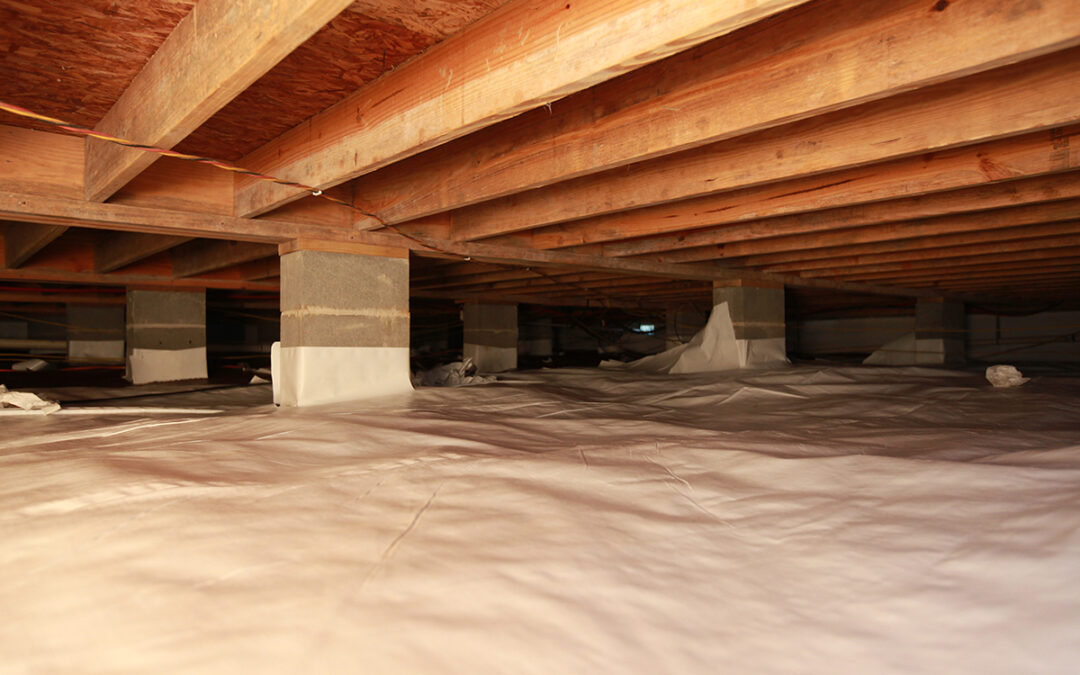
A crawl space isn’t something most homeowners think about, until something goes wrong. One of the most serious issues that can take root under your home is mold. It spreads quietly, damages structural wood, and pollutes the air you breathe. Left untreated, mold in crawl space areas can create serious problems both inside and outside your home.
If you live in a humid, water-prone area like Annapolis, your home may already be at risk. Here’s what you need to know about the dangers of mold, the types that commonly grow under your house, and why calling a professional is the right move.
Why Mold Shows Up Under Homes
Mold thrives where moisture lingers. And crawl spaces tend to be damp, dark, and often overlooked. Water can come from many sources such as leaky pipes, poor drainage, groundwater seepage, or high humidity. Once it’s trapped beneath the house, mold spores settle onto wood, insulation, or even the underside of your floors.
The warm, enclosed environment of a crawl space creates the perfect place for mold to spread. You might not see it at first, but signs will start to appear. You may notice musty odors, soft floorboards, or allergy symptoms that get worse indoors.
Mold in crawl space areas is more common than you might think, especially in Maryland homes where fluctuating temperatures and heavy rains are normal. And it’s rarely a surface-level issue. The presence of mold usually points to a deeper moisture problem.
What Makes Crawl Space Mold a Big Problem
Once it starts, crawl space mold doesn’t stay put. Spores travel upward through tiny openings in the subfloor, mixing into the air inside your home. That can lead to headaches, coughing, itchy eyes, or even serious respiratory problems. People with allergies or asthma are especially sensitive.
The damage isn’t just in the air. Mold breaks down wood and insulation over time. It can weaken beams, rot joists, and compromise the stability of your floors. The longer it’s allowed to spread, the more expensive the repairs become. Mold in crawl space areas doesn’t clean up with a quick wipe or fan—it needs to be handled professionally, from root cause to complete removal.
How Professionals Tackle the Problem
1. Comprehensive Inspection
A qualified team begins by assessing the full scope of the issue. This includes checking moisture levels, inspecting wood and insulation, and looking for signs of water intrusion. Most homeowners only see the surface symptoms, but trained technicians know how to uncover what’s happening underneath.
2. Moisture Source Identification
Mold doesn’t show up without a trigger. Professionals look beyond the mold itself to find out why the area is damp. It could be an exterior drainage problem, unsealed vents, cracked foundations, or poor airflow. Solving the moisture issue is the first step toward a lasting fix.
3. Safe Mold Removal
Removing mold isn’t just about scrubbing surfaces. Licensed crews use containment measures, HEPA vacuums, and targeted antimicrobial treatments to clean the space without spreading spores into the rest of the home. Materials like insulation may be replaced, and wood structures are treated thoroughly to eliminate spores and odors.
4. Structural Repair and Cleanup
If mold in crawl space areas has damaged beams or subfloors, professionals will repair or reinforce the affected components. This ensures your home’s structure stays solid long after cleanup. The area is also cleaned, sealed, and prepped to resist future growth.
5. Crawl Space Protection
Once mold is gone, it’s critical to stop it from coming back. This is where prevention strategies come in—installing vapor barriers, sealing vents, adding sump pumps, improving drainage, or fully encapsulating the crawl space. These measures protect against moisture buildup and block new mold from growing.
Why DIY Approaches Fall Short
Trying to treat mold on your own is risky. Without proper containment, you can release spores into the air and spread them further. Surface treatments rarely reach deep enough into porous materials like wood. And if you don’t solve the root moisture issue, the mold will come right back.
More importantly, mold in crawl space areas isn’t just a nuisance, it’s a health and safety issue. That’s why professional remediation is not only more effective, but also safer for your family and your home.
Maryland Mold and Waterproofing specializes in these cases. Their team knows how to fully assess, remove, and prevent mold in crawl space with solutions tailored to the unique conditions in Annapolis and surrounding areas.
How to Keep Crawl Space Mold from Coming Back
Once mold is out, keeping it gone means controlling moisture:
Have your crawl space inspected yearly for dampness
Make sure downspouts, gutters, and yard grading keep water away from the foundation
Ask about encapsulation to seal out outside air and ground moisture
Install a crawl space dehumidifier to keep humidity below 60 percent
Repair vapor barriers promptly if damaged
These are services Maryland Mold and Waterproofing provides regularly. Their experience with Maryland’s climate means they know how to create lasting protection below your home.
FAQ
How do I know if I have mold in crawl space?
Musty smells, soft floorboards, or allergy symptoms are often the first clues. A professional inspection can confirm the presence and extent of mold.
Is crawl space mold a health risk?
Yes. Mold spores can move into your home and impact your air quality. People with allergies, asthma, or respiratory conditions are especially vulnerable.
How long does removal take?
That depends on the extent of the damage and the moisture conditions. A full remediation could take several days to a week, depending on what’s involved.
What’s the difference between removal and remediation?
Removal gets rid of visible mold. Remediation fixes the entire problem, including root causes like water intrusion and damaged materials.
Is this covered by insurance?
It depends on your policy. Sudden damage like a burst pipe might be covered, but mold caused by long-term moisture issues often isn’t. Always check with your provide
Take Action Before the Problem Grows
Don’t wait until musty odors or soft floors become major repairs. If you suspect mold is growing under your home, Maryland Mold and Waterproofing can inspect your crawl space, identify the issue, and fix it the right way. Their team doesn’t just remove the mold—they protect your home against future moisture problems that cause it in the first place.
Schedule an inspection now and stop crawl space mold before it spreads.
John Rivers is the guiding force behind Maryland Mold and Waterproofing, specializing in comprehensive waterproofing and mold remediation services. With a focus on protecting buildings from the damaging effects of water and mold, John has established the company as a leader in creating safe, dry, and healthy living environments. His commitment to using advanced techniques and materials ensures effective solutions for every project. Maryland Mold and Waterproofing is dedicated to educating clients on the importance of moisture control and mold prevention, offering expert advice and services to address and prevent these issues effectively.