
 Call Us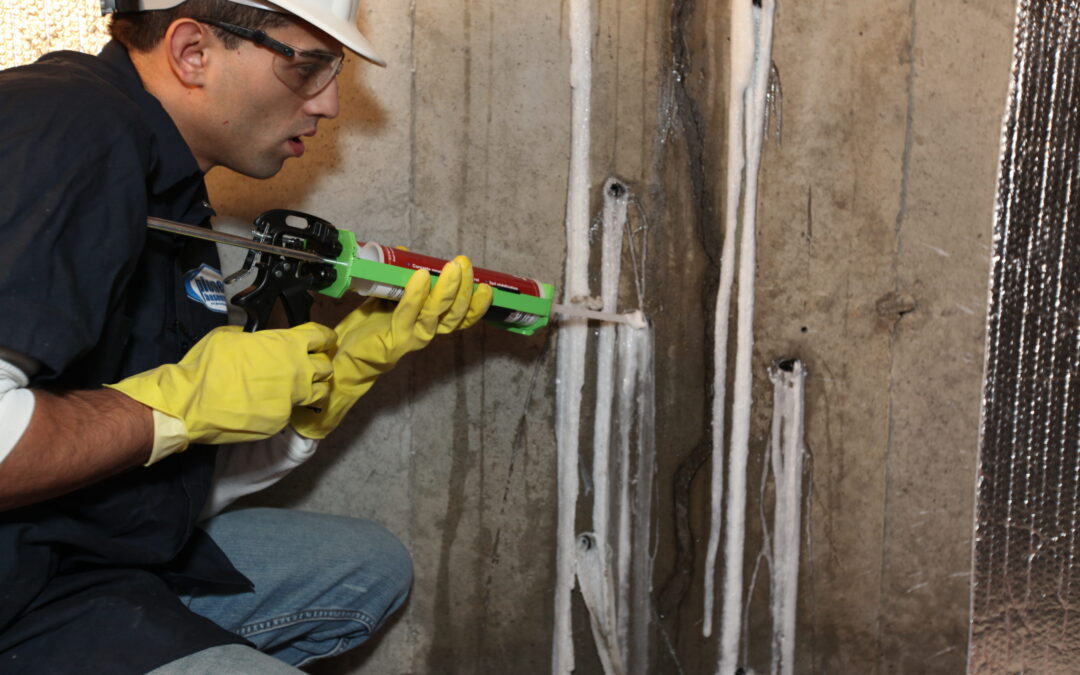
A leaking foundation can create serious problems for a home. Water entering through cracks, gaps, or weak points leads to moisture buildup, musty odors, mold growth, and structural issues that worsen over time. Homeowners dealing with water in a basement often feel unsure about where the problem started or how severe it may be. Understanding why foundations leak and what solutions actually work is the first step toward protecting your property. This guide breaks down the most common causes and the most effective approaches to leaking foundation repair so you know what to watch for and how to respond.
Why Foundations Leak
Water puts pressure on every part of a foundation. When the ground becomes saturated after heavy rain or snowmelt, the soil expands and pushes water against the foundation walls. Over time this pressure finds weak points and works its way inside. In many homes, leaking foundation repair becomes necessary because the original drainage system was never strong enough to handle this pressure or has failed with age.
Poor grading, clogged gutters, or a lack of soil drainage around the home can cause water to collect near the foundation. Water that lingers next to the structure has a direct path into small cracks and openings. Concrete naturally expands and contracts based on temperature changes. These shifts can cause hairline cracks that widen over time. Even small cracks can allow water to seep inside. If the cracks run deeper, they can create long term structural issues that need professional leaking foundation repair.
Hydrostatic pressure is another major cause of basement leaks. This happens when groundwater builds up in the soil and creates force against the foundation walls. The pressure pushes water through joints, seams, and any weak spot in the concrete. Homes without a reliable waterproofing system are especially vulnerable.
Plumbing leaks can also contribute to water problems around a foundation. A slow leak from a pipe that runs along the basement wall or underground can saturate the soil and eventually lead to water inside the basement. This type of issue often goes unnoticed until moisture becomes visible.
Signs That You Need Leaking Foundation Repair
Homeowners often see early signs before water becomes a major problem. Damp spots on basement walls, peeling paint, musty odors, or small pools of water after rain are common early warnings. Efflorescence, which looks like a white chalky residue on concrete, appears when mineral deposits are left behind by water that has evaporated. This shows that moisture is traveling through the walls and should be taken seriously.
Over time the signs become more noticeable. Cracks in walls or floors begin to widen. Doors or windows may stick due to shifting caused by moisture. Mold may grow in areas where water enters repeatedly. Any sign of mold means that moisture has been present long enough to affect air quality and may impact the health of the home. If these issues show up, leaking foundation repair is needed to stop the water at its source and prevent more damage.
How Professionals Diagnose the Problem
A proper leaking foundation repair process begins with a full inspection of the home. Trained specialists examine the foundation walls, floor, and exterior grading to identify where water is entering and what is causing the pressure. Moisture meters, crack mapping, and exterior evaluations help reveal the source. Many homeowners are surprised to learn that more than one issue may be affecting the foundation at the same time. For example, poor drainage outside can combine with cracks inside to allow water to travel through multiple paths.
Effective Methods for Leaking Foundation Repair
There are several repair methods used to stop basement leaks and strengthen the foundation. The right method depends on the cause of the problem, the age of the home, and the severity of the damage.
Interior sealing is often used when water enters through minor cracks. This involves applying waterproof coatings and sealants on the interior walls to stop moisture from passing through. While this can provide short term relief, it does not address the source of the water pressure. Most homeowners use interior sealing as part of a larger leaking foundation repair plan.
Exterior waterproofing is one of the most reliable long term solutions. This process requires digging around the perimeter of the home to reach the foundation wall. A waterproof membrane is applied to block water from entering. A drainage system is then installed to carry water away from the home. This method solves the problem at the source by reducing hydrostatic pressure and improving soil drainage.
Crack repair is another common method. Professionals inject epoxy or polyurethane into the crack to seal it completely. This stops water from entering and strengthens the wall. Epoxy is typically used for structural cracks because it bonds firmly with the concrete. Polyurethane is better for non structural cracks because it expands to fill small gaps.
Interior drainage systems are also effective for many homes. These systems collect water through a drain installed along the inside perimeter of the basement floor. From there, water flows into a sump pump that carries it away from the home. This method is often used when exterior waterproofing is not possible or when water is entering from under the slab.
French drains may also be installed outside the home to redirect groundwater before it reaches the foundation. These drains use gravel and perforated piping to improve soil drainage and reduce standing water around the property.
If mold is present due to long term moisture exposure, part of the leaking foundation repair process includes mold remediation. Removing mold safely prevents it from spreading and restores healthy indoor air conditions.
Preventing Future Foundation Leaks
Prevention is an important part of protecting any home. Homeowners can reduce the chances of foundation leaks by improving exterior drainage. This includes extending downspouts several feet away from the home, cleaning gutters regularly, and making sure the soil slopes away from the foundation. Simple steps like these keep water from pooling around the home and reduce pressure on the foundation walls.
Regular inspections are also important. Checking for cracks, dampness, or changes in soil conditions around the property helps catch small problems early. Many homeowners schedule yearly inspections to stay ahead of potential issues.
Interior dehumidifiers can be helpful in basements that tend to stay damp. Lowering humidity levels reduces the chance of mold growth and makes the space more comfortable.
If a home has had leaks in the past, consistent monitoring is important. Even after leaking foundation repair is complete, changes in weather or soil conditions may reveal new issues. A professional contractor can help you understand what to watch for based on the condition of your home.
Why Professional Repair Matters
Foundation issues are rarely simple. A leak that looks minor can be a sign of larger structural concerns. Professional leaking foundation repair gives homeowners confidence that the problem is fully corrected. Experts have the tools and training to diagnose the cause, apply the correct repair methods, and protect the home long term.
DIY patching or store bought sealants may temporarily slow a leak, but they often fail quickly because they do not fix the underlying problem. A licensed contractor is the best choice for restoring the strength and safety of your home.
Contact Maryland Mold and Waterproofing
Foundation leaks should be taken seriously at the first sign of trouble. Maryland Mold and Waterproofing specializes in leaking foundation repair, basement waterproofing, and mold remediation for homeowners across the region. If you notice moisture, cracks, or water entering your basement, now is the time to address it before the problem grows. Contact Maryland Mold and Waterproofing today to schedule an inspection and get reliable solutions that protect your home.
FAQs
What causes a foundation to start leaking?
Most leaks come from soil pressure, cracks in the concrete, or poor drainage around the home. Heavy rain and groundwater buildup can make these issues worse.
How do I know if I need leaking foundation repair?
Signs include damp walls, mold, musty odors, or visible cracks. If water appears after storms or snowmelt, a professional inspection is recommended.
Can leaking foundation problems be fixed permanently?
Yes, with the right repair method. Exterior waterproofing, crack injection, and interior drainage systems provide long term protection when installed by professionals
John Rivers is the guiding force behind Maryland Mold and Waterproofing, specializing in comprehensive waterproofing and mold remediation services. With a focus on protecting buildings from the damaging effects of water and mold, John has established the company as a leader in creating safe, dry, and healthy living environments. His commitment to using advanced techniques and materials ensures effective solutions for every project. Maryland Mold and Waterproofing is dedicated to educating clients on the importance of moisture control and mold prevention, offering expert advice and services to address and prevent these issues effectively.