
 Call Us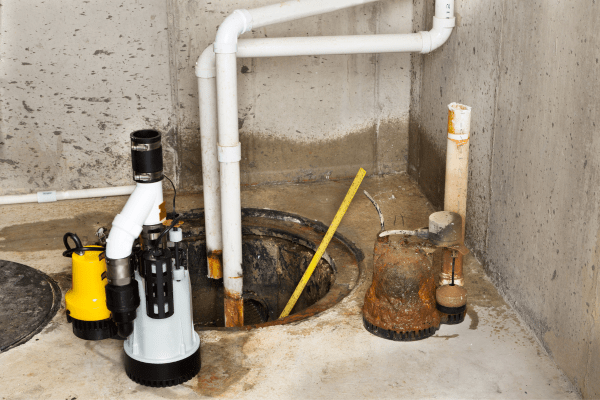
For many Maryland homeowners, a sump pump is one of the most important systems protecting the home from water damage. Heavy rain, melting snow, and a high water table are common across the state. Without a working sump pump, groundwater can quickly enter a basement or crawl space and cause costly damage. That is why sump pump repair and ongoing maintenance should never be ignored.
A sump pump often works quietly in the background. Because it is out of sight, many homeowners assume it will keep running without problems. In reality, sump pumps experience wear, mechanical failure, and power issues over time. Regular inspection and timely sump pump repair can make the difference between a dry basement and a flooded one.
This guide explains how sump pumps work, why sump pump repair matters, warning signs of failure, and how Maryland homeowners can protect their property through proper maintenance.
How a Sump Pump Protects Your Maryland Home
A sump pump sits in a pit at the lowest point of the basement or crawl space. When groundwater rises, it flows into the pit. As the water level increases, a float switch activates the pump. The pump then moves water away from the foundation through a discharge line.
Maryland’s climate makes sump pumps especially important. Many areas experience frequent storms and periods of heavy rainfall. Coastal regions and neighborhoods near rivers often deal with saturated soil. Clay-heavy soil also holds moisture and increases hydrostatic pressure against foundation walls. When pressure builds, water looks for a way inside.
A functioning sump pump relieves that pressure and redirects water away from the home. When the system fails, water can enter rapidly and cause damage in just minutes.
Why Sump Pump Repair Should Never Be Delayed
Sump pump repair is not just about fixing a broken appliance. It is about protecting the structural integrity of your home. Water intrusion can lead to foundation cracks, warped framing, and damaged insulation. Over time, repeated moisture exposure weakens concrete and masonry.
Basement moisture also creates the perfect conditions for mold growth. Mold thrives in damp spaces and spreads quickly. Once mold takes hold, indoor air quality can suffer. This is especially concerning for families with allergies or respiratory conditions.
Delaying sump pump repair can also lead to higher repair costs later. A small mechanical issue can escalate into full system failure. Flood cleanup, mold remediation, and foundation repairs often cost far more than addressing sump pump problems early.
Common Causes of Sump Pump Failure
Understanding why sump pumps fail helps homeowners recognize when sump pump repair may be needed.
One common cause of sump pump failure is power loss. Many sump pumps rely on electricity. During storms, power outages are common. Without a battery backup or secondary pump, the system stops working when it is needed most.
Another frequent problem involves float switch failure. The float switch activates the pump when water rises. If it becomes stuck or damaged, the pump may not turn on. Debris, rust, or improper installation often cause this issue.
Pump motor burnout is another concern. Over time, motors wear out from frequent cycling. Pumps that run too often due to high water volume or poor drainage are more likely to fail.
Clogged discharge lines also create problems. Dirt, ice, or debris can block the pipe that carries water away from the home. When water cannot exit, it may back up into the pit or basement.
Improper installation can also lead to repeated sump pump repair needs. A pump that is too small for the home or installed at the wrong depth may struggle to keep up with water volume.
Warning Signs That You Need Sump Pump Repair
Homeowners often miss early signs of sump pump trouble. Knowing what to watch for can help you act before a flood occurs.
- Unusual noises are a common warning sign. Grinding, rattling, or loud humming may point to motor problems or internal damage.
- Frequent cycling is another red flag. If the pump turns on and off repeatedly during light rain, it may be undersized or struggling to manage water flow.
- Visible rust or corrosion on the pump or components may signal aging equipment. Corrosion can interfere with moving parts and electrical connections.
- Water remaining in the pit after the pump runs is also concerning. This often points to a clogged discharge line or a failing motor.
- A sump pump that runs continuously without shutting off may indicate a stuck float switch or a drainage issue. Continuous operation increases wear and raises the risk of burnout.
The Role of Regular Maintenance in Preventing Sump Pump Repair
While sump pump repair is sometimes unavoidable, routine maintenance reduces the risk of sudden failure. Maintenance helps identify small issues before they become major problems.
Regular inspections allow professionals to test the pump, float switch, and discharge system. They can confirm that water flows freely away from the home.
Cleaning the sump pit removes debris that can clog the pump or interfere with the float switch. Sediment buildup is common in Maryland homes due to soil conditions.
Testing backup systems is also critical. Battery backups and secondary pumps should be inspected and tested to confirm they will activate during a power outage.
Maintenance also includes checking discharge lines for proper slope and clearance. Lines should direct water far enough away from the foundation to prevent recirculation.
By scheduling routine service, homeowners reduce the likelihood of emergency sump pump repair during severe weather.
How Maryland Weather Impacts Sump Pump Performance
Maryland’s weather patterns place extra strain on sump pump systems. Spring brings heavy rainfall and melting snow from higher elevations. Summer storms can drop large amounts of rain in a short time. Fall hurricanes and tropical systems add further risk.
Winter introduces freezing temperatures. Discharge lines can freeze if they are not properly installed or insulated. Frozen lines block water flow and cause pump failure.
High groundwater levels during wet seasons increase pump run time. Pumps that work harder wear out faster. This makes proactive sump pump repair and maintenance especially important for Maryland homeowners.
Homes near the Chesapeake Bay, tidal rivers, or flood-prone areas face additional challenges. Even homes outside designated flood zones can experience basement flooding due to localized drainage issues.
Professional Sump Pump Repair Versus DIY Fixes
Some homeowners attempt basic sump pump fixes on their own. While minor cleaning tasks may be manageable, professional sump pump repair offers significant advantages.
Trained technicians understand system design, electrical components, and drainage requirements. They can diagnose issues accurately and recommend the right solution.
Improper repairs can lead to repeat failures or safety risks. Electrical components pose shock hazards. Incorrect installation can void manufacturer warranties or fail local codes.
Professionals also evaluate whether the existing pump is appropriate for the home. In some cases, repeated sump pump repair signals the need for system upgrades rather than temporary fixes.
For long-term protection, professional service provides peace of mind that the system will perform when it matters most.
How Often Should Sump Pump Repair and Maintenance Be Addressed?
Most sump pumps last seven to ten years depending on usage and conditions. Homes with frequent water intrusion may see shorter lifespans.
Annual inspections are recommended for most Maryland homeowners. Homes in high-risk areas may benefit from more frequent checks.
Sump pump repair should be addressed immediately when warning signs appear. Waiting until the system fails often leads to emergency situations and property damage.
Maintenance is especially important before storm season. Spring and fall are ideal times to inspect and service sump pump systems.
Protecting Your Basement and Foundation Long Term
Sump pump repair plays a key role in overall basement waterproofing. It works best as part of a complete system that may include interior drainage, vapor barriers, and foundation sealing.
Addressing moisture issues early protects finished basements, stored belongings, and structural components. It also helps preserve home value and reduces long-term repair costs.
Maryland homeowners who invest in regular sump pump repair and maintenance are better prepared for unpredictable weather and rising groundwater levels.
Schedule Professional Sump Pump Repair With Maryland Mold & Waterproofing
A failing sump pump puts your home at risk for flooding, mold growth, and foundation damage. Do not wait until the next heavy storm exposes a problem. Maryland Mold & Waterproofing provides expert sump pump repair and maintenance services designed for Maryland homes and soil conditions.
If your sump pump shows signs of trouble or has not been inspected recently, contact Maryland Mold & Waterproofing today to schedule an evaluation. Protect your basement, your foundation, and your peace of mind with professional sump pump repair you can trust.
FAQs
How do I know if I need sump pump repair?
Common signs include unusual noises, frequent cycling, standing water in the sump pit, or a pump that does not turn on during rain. Any of these issues should be inspected quickly.
How often should sump pump repair or maintenance be done?
Most homes should have their sump pump inspected once a year. Homes with frequent water issues may need more frequent service to prevent failure.
Is sump pump repair better than replacing the system?
In many cases, sump pump repair can restore proper function and extend system life. Replacement may be recommended if the pump is old or fails repeatedly.
John Rivers is the guiding force behind Maryland Mold and Waterproofing, specializing in comprehensive waterproofing and mold remediation services. With a focus on protecting buildings from the damaging effects of water and mold, John has established the company as a leader in creating safe, dry, and healthy living environments. His commitment to using advanced techniques and materials ensures effective solutions for every project. Maryland Mold and Waterproofing is dedicated to educating clients on the importance of moisture control and mold prevention, offering expert advice and services to address and prevent these issues effectively.