
 Call Us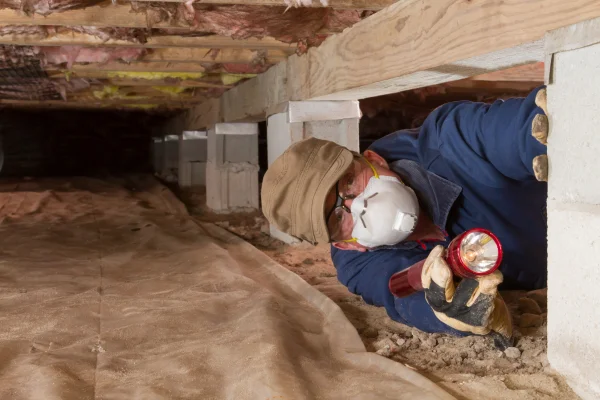
Crawl spaces are often overlooked by homeowners, but they play an important role in maintaining a safe and healthy home. When moisture builds up in these areas, mold growth can follow. Mold is not only damaging to the structure of your home but also a risk to your family’s health. Understanding how to prevent mold in crawl spaces is key to protecting your property and avoiding costly repairs.
This guide will explain why crawl spaces are prone to mold, what signs to watch for, and the most effective steps professionals recommend to keep mold from taking hold.
Why Crawl Spaces Are Prone to Mold
Crawl spaces in Maryland homes are especially vulnerable to mold because of high humidity and changing weather conditions. These areas often trap moisture from groundwater, poor ventilation, or plumbing leaks. Once moisture is present, crawl spaces provide the dark and cool environment mold needs to grow.
If mold develops in your crawl space, it can spread to other parts of the home. Air from the crawl space circulates through the house, carrying mold spores that can impact indoor air quality. Preventing mold is much easier than dealing with an infestation after it has taken root.
Signs of Mold in Crawl Spaces
Before discussing how to prevent mold in crawl spaces, it helps to know what to look for. Common signs include:
Musty odors that seep into the home
Visible mold patches on wood, insulation, or pipes
Increased allergy or respiratory issues indoors
Excess condensation on crawl space surfaces
Warped wood or soft floor joists
If you notice any of these signs, it is time to take immediate action.
Step 1: Control Moisture with Proper Drainage
Moisture control is the most important step in mold prevention. Crawl spaces often accumulate water from poor grading or clogged gutters. Redirecting water away from the foundation helps reduce this risk.
Professionals recommend extending downspouts, repairing broken gutters, and grading the soil around the home so water flows away instead of pooling near the crawl space. In some cases, a French drain system may be necessary to keep groundwater under control.
Step 2: Improve Crawl Space Ventilation
Another effective strategy for how to prevent mold in crawl spaces is improving airflow. Poor ventilation allows damp, stagnant air to linger, creating the perfect conditions for mold growth.
Adding properly placed vents or installing a crawl space fan can encourage air circulation and reduce humidity levels. Some homeowners may also choose crawl space encapsulation, which seals the area completely and uses a dehumidifier to maintain a controlled environment.
Step 3: Address Plumbing Leaks Quickly
Leaking pipes are a common source of excess moisture in crawl spaces. Even small drips can add up over time, saturating wood and insulation. Scheduling routine plumbing inspections and repairing leaks immediately is a key part of mold prevention.
If you suspect a hidden leak, professionals can perform a detailed inspection to identify and fix the issue before mold develops.
Step 4: Install a Vapor Barrier
A vapor barrier is a heavy-duty plastic sheet installed on the ground of your crawl space. It prevents moisture from rising through the soil and condensing on wood or insulation. Vapor barriers are one of the most effective solutions for homeowners who want long-term protection.
When combined with encapsulation, vapor barriers create a dry and stable environment that makes it nearly impossible for mold to thrive.
Step 5: Maintain Humidity Levels
Mold thrives in damp environments with high humidity. Keeping crawl space humidity below 60 percent is essential. Many homeowners use dehumidifiers specifically designed for crawl spaces to maintain these levels.
For Maryland homeowners, where summers can be humid, this step is particularly important. According to the Environmental Protection Agency (EPA), keeping humidity levels under control is one of the most effective ways to reduce the risk of mold growth throughout the home. The EPA offers helpful resources on mold prevention and moisture control that homeowners can reference in addition to professional services.
Step 6: Schedule Professional Inspections
Even with preventive steps, it is wise to have your crawl space inspected regularly by professionals. They can spot early warning signs of moisture or mold before they become major problems. Inspections also provide peace of mind that your crawl space remains dry, clean, and safe.
Why Professional Help Matters
Homeowners often wonder if DIY methods are enough for crawl space maintenance. While sealing small gaps or setting up a store-bought dehumidifier may help, these solutions are rarely long-term. Professionals understand Maryland’s climate and soil conditions, which allows them to recommend effective strategies for how to prevent mold in crawl spaces.
Professional contractors also use advanced tools and techniques, including high-grade vapor barriers, commercial dehumidifiers, and encapsulation systems. This ensures mold prevention efforts last for years instead of months.
Long-Term Benefits of Mold Prevention
Investing in preventive measures has several long-term benefits:
Improved indoor air quality for your family
Protection of wood structures, insulation, and HVAC systems
Increased energy efficiency by sealing air leaks
Higher property value with a healthier foundation
By taking proactive steps now, homeowners save money on costly repairs while enjoying the peace of mind that their home is safe from mold-related issues.
Final Thoughts
Crawl spaces may be out of sight, but they should never be out of mind. Knowing how to prevent mold in crawl spaces gives homeowners the ability to protect both their property and their health. From improving drainage and ventilation to installing vapor barriers and controlling humidity, there are proven strategies that keep mold at bay.
If you are concerned about your crawl space or have noticed signs of moisture or mold, Maryland Mold and Waterproofing can help. Our team provides professional solutions to keep your crawl space dry, safe, and mold-free. Contact us today to schedule an inspection and learn more about protecting your home.
FAQs
What causes mold to grow in crawl spaces?
Mold grows in crawl spaces when moisture and humidity are high. Common causes include groundwater seepage, poor ventilation, and plumbing leaks.
How can I keep humidity low in my crawl space?
Using a crawl space dehumidifier, sealing with a vapor barrier, and improving ventilation are effective ways to keep humidity levels below 60 percent.
Is professional help necessary to prevent crawl space mold?
While homeowners can take basic steps, professional contractors provide long-term solutions like encapsulation, vapor barrier installation, and drainage systems.
John Rivers is the guiding force behind Maryland Mold and Waterproofing, specializing in comprehensive waterproofing and mold remediation services. With a focus on protecting buildings from the damaging effects of water and mold, John has established the company as a leader in creating safe, dry, and healthy living environments. His commitment to using advanced techniques and materials ensures effective solutions for every project. Maryland Mold and Waterproofing is dedicated to educating clients on the importance of moisture control and mold prevention, offering expert advice and services to address and prevent these issues effectively.