
 Call Us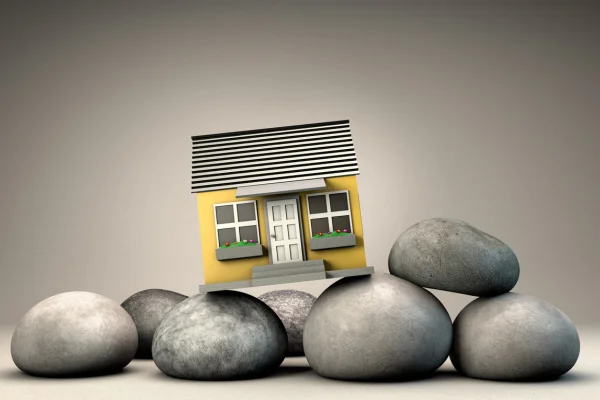
If you have noticed cracks in your walls, sloping floors, or doors that no longer close properly, you may be wondering, “Is my house foundation sinking?” Many homeowners hope these signs are minor cosmetic issues. In reality, a sinking house foundation can lead to serious structural damage if it is not addressed quickly.
Your foundation supports the entire weight of your home. When it begins to shift or settle unevenly, the stress affects walls, floors, windows, plumbing lines, and even your roofline. For homeowners in Maryland, where soil conditions and moisture levels change throughout the year, foundation movement is not unusual. The key is recognizing the warning signs early and understanding the risks.
What Does It Mean When a House Foundation Is Sinking?
When a house foundation is sinking, it means the soil beneath your home can no longer properly support the structure. This can happen gradually over time or more quickly after heavy rainfall, flooding, or long dry periods.
A sinking house foundation often settles unevenly. One section of the home may drop lower than another. This uneven movement, known as differential settlement, places stress on the framing system and can cause visible damage inside and outside the home.
Common causes include:
Expansive clay soils that shrink during dry weather
Poor soil compaction during original construction
Water intrusion that washes away supporting soil
Underground plumbing leaks
Tree roots drawing moisture from the ground
In many parts of Maryland, clay-based soils expand when wet and contract when dry. Over time, this repeated movement weakens the soil’s ability to support a foundation properly.
How to Tell If Your House Foundation Is Sinking
Homeowners usually notice interior symptoms first. If your house foundation is sinking, you may see:
Cracks in drywall, especially above doors and windows
Stair-step cracks in brick or block foundation walls
Uneven or sloping floors
Gaps between walls and ceilings
Doors and windows that stick or fail to latch
Chimneys that lean away from the home
These signs may appear minor at first. A small crack can seem harmless. But if the sinking house foundation continues to shift, those cracks can widen and spread.
Exterior warning signs can include:
Visible cracks in foundation walls
Separation between siding and foundation
Gaps around window frames
Tilting or settling porch slabs
If you observe several of these issues at the same time, there is a strong chance your house foundation is sinking and requires professional evaluation.
How Serious Is a Sinking House Foundation?
A sinking house foundation is a serious structural issue. Foundations are designed to distribute the weight of your home evenly into the ground. When that support system fails, the entire structure is affected.
If left unaddressed, a sinking house foundation can lead to:
Structural framing damage
Roofline sagging
Cracked load-bearing walls
Plumbing line breaks
Increased moisture intrusion
Mold growth in basements or crawl spaces
Reduced property value
Over time, minor settlement can turn into major structural failure. Floors may become uneven to the point of creating trip hazards. Doors may no longer close properly. In severe cases, sections of the home can become unstable.
In Maryland, moisture plays a major role. Heavy seasonal rain, melting snow, and humid summers all impact soil stability. If your house foundation is sinking and water is entering through cracks, the damage can progress quickly.
Can a Sinking Foundation Be Repaired?
Yes, a sinking house foundation can be stabilized and repaired. The appropriate repair method depends on the foundation type, soil conditions, and severity of movement.
Common structural repair solutions include:
Push piers
Steel underpinning systems
Slab stabilization methods
Crawl space support posts
These systems transfer the weight of your home to deeper, more stable soil layers. In some cases, sections of the sinking house foundation can even be lifted back closer to their original position before being permanently stabilized.
A professional inspection is essential before starting repairs. Specialists assess:
The extent of settlement
Soil conditions around the home
Drainage patterns
Existing foundation damage
This detailed evaluation helps determine why the house foundation is sinking and what solution will provide long-term stability.
What Happens If You Ignore a House Foundation Sinking?
Ignoring the signs that your house foundation is sinking can lead to higher repair costs and more extensive damage.
As settlement continues, pressure builds throughout the structure. This can result in:
Wider and deeper foundation cracks
Bowing basement walls
Interior wall separation
Water leaks through foundation gaps
Damaged flooring materials
Increased pest intrusion
Moisture problems often worsen over time. When cracks allow water into the basement or crawl space, mold growth becomes more likely. In Maryland’s climate, freeze and thaw cycles can expand small cracks as trapped water freezes and enlarges the openings.
Delaying repair of a sinking foundation often turns a manageable issue into a major structural project.
Why Soil and Water Conditions Matter in Maryland
Maryland homes are built on a variety of soil types. Many regions contain clay-heavy soils that react strongly to moisture changes. Coastal areas, central counties, and western regions each present different soil challenges.
Conditions that contribute to a sinking house foundation in Maryland include:
Poor site drainage
Heavy rainfall saturation
Extended dry spells
Improper grading around the home
Inadequate downspout extensions
When heavy rain saturates the soil, it can soften and shift under the foundation. During dry periods, shrinking soil can pull away from the concrete. Over time, this movement increases the likelihood that a house foundation is sinking.
Homes built on poorly compacted fill soil are also at greater risk. Settlement can occur years after construction if the soil beneath the foundation was not properly stabilized.
How to Reduce Further Foundation Movement
If you suspect your house foundation is sinking, acting quickly is critical. In addition to professional repair, homeowners can take steps to reduce further soil movement.
Helpful prevention measures include:
Cleaning gutters regularly
Extending downspouts several feet from the foundation
Maintaining proper yard grading
Repairing plumbing leaks promptly
Monitoring cracks for changes in size
While these actions do not replace structural repairs, they can help limit additional stress on a sinking house foundation.
Protect Your Home Before Damage Gets Worse
A house foundation is sinking is not something homeowners should overlook. Your foundation supports every wall, floor, and structural component in your home. When it shifts, the entire structure is affected.
The good news is that a sinking house foundation can be stabilized with the right repair plan. Early action protects your home’s safety, structural integrity, and long-term value.
If you have noticed cracks, uneven floors, or other signs that your house foundation is sinking, contact Maryland Mold & Waterproofing today. Their experienced team provides professional inspections and structural repair solutions for homeowners across Maryland. Schedule an evaluation now and protect your home before the damage becomes more serious.
FAQ
How can you tell if your house foundation is sinking?
Common signs include stair-step cracks in brick, drywall cracks above doors, sloping floors, and sticking windows. You may also notice gaps between walls and ceilings. A professional inspection can confirm if structural settlement is occurring.
What causes your home’s foundation to sink?
Expansive clay soil, poor drainage, and heavy seasonal moisture changes are common causes. Plumbing leaks and improperly compacted soil can also weaken support beneath the home. Over time, these factors lead to uneven settlement.
Will a sinking foundation cause structural damage to my house?
Yes, a sinking foundation can place stress on load-bearing walls, framing, and rooflines. If left untreated, cracks can widen and floors may become uneven. Early repair helps prevent long-term structural damage.
John Rivers is the guiding force behind Maryland Mold and Waterproofing, specializing in comprehensive waterproofing and mold remediation services. With a focus on protecting buildings from the damaging effects of water and mold, John has established the company as a leader in creating safe, dry, and healthy living environments. His commitment to using advanced techniques and materials ensures effective solutions for every project. Maryland Mold and Waterproofing is dedicated to educating clients on the importance of moisture control and mold prevention, offering expert advice and services to address and prevent these issues effectively.