 Call Us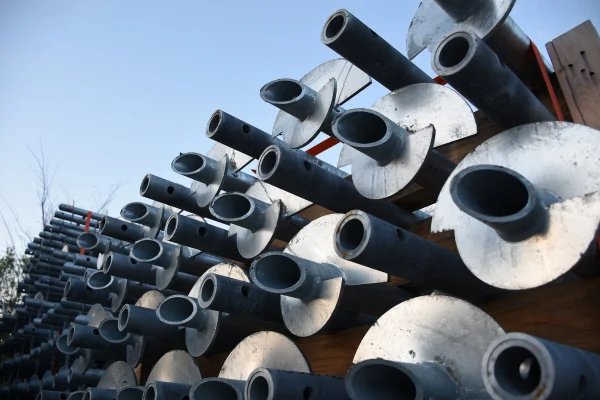
Foundation problems can lead to serious damage if they are not addressed early. Cracks in walls, uneven floors, and doors that no longer close properly are all signs that your home may need structural support. Homeowners often hear about different repair options, but it can be hard to understand which one makes the most sense.
One solution that continues to gain attention is helical piles. These systems offer a reliable way to stabilize and support a failing foundation. To help you make an informed decision, this guide breaks down how helical piles compare to other common foundation supports.
What Are Helical Piles?
Helical piles are steel shafts with spiral-shaped plates that are screwed into the ground beneath a foundation. They reach stable soil layers that can support the weight of a home. Once installed, they transfer the load of the structure from weak soil to stronger ground below.
Contractors use hydraulic equipment to install helical piles with precision. This process allows for accurate placement and immediate load-bearing support. Unlike some traditional methods, there is no need to wait for materials to cure before the system becomes effective.
Helical piles are commonly used for foundation repair, new construction, and even deck or porch supports.
How Helical Piles Work for Foundation Repair
When soil shifts or settles, it can no longer support your home evenly. This leads to foundation movement and visible damage. Helical piles correct this issue by anchoring the structure into stable soil layers.
During installation, the piles are driven deep into the ground until they reach a layer that can handle the load. Brackets are then attached to the foundation, allowing the weight of the home to transfer onto the piles.
In many cases, this process can also lift portions of the foundation back toward their original position. This helps reduce cracks and restore structural alignment.
Comparing Helical Piles to Concrete Piers
Concrete piers have been used for decades as a foundation support option. They are formed by pouring concrete into drilled holes beneath the foundation.
While concrete piers can provide support, they come with some limitations:
- Installation takes longer because the concrete needs time to cure
- Soil conditions can affect how well the concrete performs over time
- Heavy excavation may be required, which can disrupt landscaping
Helical piles offer several advantages in comparison. They are installed quickly and do not rely on curing time. This means repairs can be completed faster. They also perform well in a wider range of soil conditions, especially in areas with moisture issues.
For homeowners looking for a faster and more controlled installation process, helical piles are often the better choice.
Helical Piles vs Push Piers
Push piers are another common solution used in foundation repair. These are straight steel pipes that are driven into the ground using the weight of the structure itself.
While push piers can be effective, they depend heavily on the weight of the home to reach stable soil. Lighter structures may not provide enough force for proper installation.
Helical piles do not have this limitation. They are mechanically driven into the ground using torque, which allows them to reach the required depth regardless of the structure’s weight.
Another benefit of helical piles is that contractors can measure installation torque to confirm load capacity. This provides added confidence that the system will perform as expected.
Helical Piles vs Slab Jacking
Slab jacking, also known as mudjacking or foam injection, is a method used to lift settled concrete. It involves injecting material beneath a slab to raise it back into place.
This method works well for sidewalks, driveways, and some slab foundations. However, it does not address the underlying soil problem. If the soil continues to shift, the issue may return.
Helical piles provide a more permanent solution. Instead of just lifting the foundation, they stabilize it by anchoring it to strong soil layers. This reduces the risk of future movement.
For homeowners dealing with ongoing settlement issues, helical piles offer a more reliable long-term fix.
Benefits of Choosing Helical Piles
There are several reasons why helical piles have become a preferred solution for foundation repair.
Fast Installation
Helical piles can often be installed in a single day, depending on the scope of the project. There is no waiting period for curing, which means repairs can move forward without delays.
Minimal Disruption
The installation process requires less excavation compared to traditional methods. This helps protect your landscaping and reduces the overall impact on your property.
Immediate Load Support
Once installed, helical piles are ready to support the structure right away. This allows contractors to stabilize and adjust the foundation during the same visit.
Versatility
Helical piles work well in a variety of soil conditions. They are especially useful in areas with high moisture levels or loose soil, which are common concerns for many homeowners.
Long-Term Performance
Because helical piles are driven into stable soil layers, they provide consistent support over time. This helps prevent future settlement and reduces the need for repeated repairs.
When Are Helical Piles the Right Choice?
Helical piles are a strong option for many types of foundation issues. They are often recommended when:
- A home is experiencing ongoing settlement
- Soil conditions are weak or unstable
- Quick installation is needed to prevent further damage
- Minimal disruption to the property is a priority
They are also ideal for homes near water sources or in areas with clay soil, where shifting and expansion can lead to foundation problems.
Get Expert Help from Maryland Mold & Waterproofing
If you are seeing signs of foundation trouble, it is important to act before the damage gets worse. Helical piles offer a dependable solution for stabilizing your home and protecting its value.
Maryland Mold & Waterproofing has the experience to assess your foundation and recommend the right repair plan. Their team understands the unique soil conditions in the region and uses proven methods to deliver lasting results.
Contact Maryland Mold & Waterproofing today to schedule an inspection and find out if helical piles are the right solution for your home.
FAQ
How long do foundation support systems typically last?
Most professionally installed systems are designed to last for decades. Steel-based solutions often offer the longest lifespan when installed in stable soil. Regular inspections can help catch any issues early.
What are the signs that my home needs structural support?
Common signs include cracks in walls, uneven floors, and doors or windows that stick. You may also notice gaps around window frames or a sloping foundation. These issues often point to underlying soil movement.
Will foundation repair disrupt my home or landscaping?
Some methods require heavy excavation, which can impact your yard. Modern systems are installed with minimal digging and are less invasive. The level of disruption depends on the repair method used.
John Rivers is the guiding force behind Maryland Mold and Waterproofing, specializing in comprehensive waterproofing and mold remediation services. With a focus on protecting buildings from the damaging effects of water and mold, John has established the company as a leader in creating safe, dry, and healthy living environments. His commitment to using advanced techniques and materials ensures effective solutions for every project. Maryland Mold and Waterproofing is dedicated to educating clients on the importance of moisture control and mold prevention, offering expert advice and services to address and prevent these issues effectively.