
 Call Us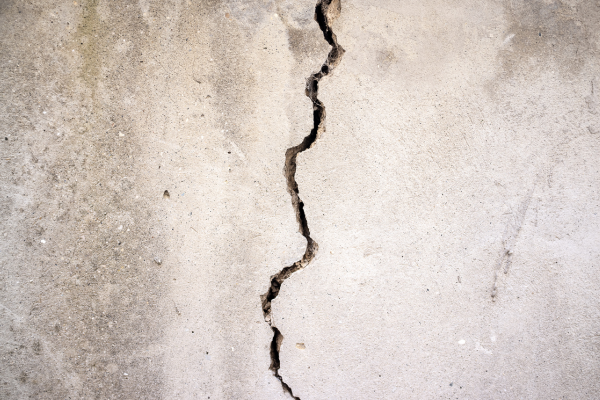
Cracks in a foundation wall are one of the most common issues homeowners face. Some cracks are minor and cosmetic, while others point to serious structural or water intrusion problems. Knowing how to spot the difference is key to protecting your home and avoiding costly repairs later.
This guide explains what causes foundation wall cracks, the types of cracks to watch for, and why professional foundation wall crack repair is often the safest option for homeowners.
Why Foundation Wall Crack Repair Matters
Your foundation supports the entire structure of your home. When cracks develop, they create weak points that can allow water, soil gases, and pests inside. Over time, even small cracks can grow larger and lead to basement leaks, mold growth, and structural shifting.
Ignoring cracks can turn a manageable repair into a major restoration project. Addressing foundation wall crack repair early helps protect your home’s value and reduces the risk of long-term damage.
Common Causes of Foundation Wall Cracks
Foundation wall cracks do not appear without reason. Understanding the cause helps determine the right repair method.
Soil Movement and Pressure
Soil expands when it absorbs water and contracts when it dries out. This constant movement places pressure on foundation walls. Over time, that pressure can cause cracking, especially in homes with clay-heavy soils.
Hydrostatic Pressure
When groundwater builds up around a foundation, it creates hydrostatic pressure. This pressure pushes against foundation walls and can force cracks to form. Homes with poor drainage or failing waterproofing systems are especially vulnerable.
Settlement and Shrinkage
As a home settles over time, small cracks may form. Concrete also shrinks as it cures, which can lead to hairline cracks shortly after construction. While some settlement cracks are normal, others can signal uneven support beneath the foundation.
Freeze and Thaw Cycles
Repeated freezing and thawing of soil causes expansion and contraction around foundation walls. Over time, this stress can lead to cracking, especially in older homes or foundations without proper drainage.
Types of Foundation Wall Cracks Homeowners Should Know
Not all cracks mean the same thing. Identifying the type of crack helps determine how serious the issue may be.
Vertical Foundation Wall Cracks
Vertical cracks are common and often caused by settlement or concrete shrinkage. While some vertical cracks are minor, they can still allow water intrusion. Foundation wall crack repair is recommended if water seepage or widening is present.
Horizontal Foundation Wall Cracks
Horizontal cracks are more serious. They often indicate soil pressure pushing inward on the foundation wall. These cracks can compromise structural integrity and should be addressed by a professional as soon as possible.
Stair Step Cracks in Block Foundations
Stair step cracks follow mortar joints in concrete block foundations. These cracks are often linked to settlement or soil movement. Foundation wall crack repair may involve sealing, reinforcement, or drainage improvements depending on severity.
Hairline Cracks
Hairline cracks are thin and usually caused by concrete shrinkage. While they may not pose an immediate structural risk, they can still allow moisture inside. Sealing these cracks early helps prevent water damage and mold growth.
Signs That Foundation Wall Crack Repair Is Needed
Some cracks are easy to spot, while others show warning signs elsewhere in the home. Common indicators include:
Water stains or damp spots along basement walls
Musty odors or visible mold growth
Efflorescence or white powdery residue on walls
Bowing or leaning foundation walls
Cracks that grow wider over time
If you notice any of these signs, professional foundation wall crack repair should be considered.
How Water Intrusion Makes Cracks Worse
Once water enters through a foundation crack, the problem often accelerates. Moisture weakens concrete over time and creates ideal conditions for mold growth. In basements, this can affect air quality throughout the home.
Foundation wall crack repair is often combined with basement waterproofing to address both the crack itself and the source of moisture. This approach helps prevent repeat issues.
Professional Foundation Wall Crack Repair Methods
The right repair method depends on the type of crack, foundation material, and underlying cause. A professional inspection is critical before any repair begins.
Epoxy Crack Injection
Epoxy injection is commonly used for structural cracks. The epoxy bonds the concrete back together and restores strength. This method is effective for cracks that are not actively moving.
Polyurethane Injection
Polyurethane injection is often used for cracks that allow water intrusion. The material expands inside the crack, sealing it and blocking moisture. This method remains flexible, which helps accommodate minor movement.
Carbon Fiber Reinforcement
For walls showing signs of bowing or structural stress, carbon fiber straps may be used. These straps stabilize the wall and prevent further movement while addressing existing cracks.
Interior Drainage and Waterproofing Systems
In cases where water pressure is contributing to cracks, interior drainage systems or sump pumps may be recommended. These systems relieve hydrostatic pressure and support long-term foundation wall crack repair success.
Why DIY Foundation Wall Crack Repair Falls Short
Many homeowners consider store-bought sealants or patch kits. While these products may hide a crack temporarily, they rarely address the root cause.
DIY repairs often fail because they do not account for soil pressure, water intrusion, or structural movement. Improper repairs can even trap moisture inside the wall, leading to hidden damage and mold growth.
Professional foundation wall crack repair provides a lasting solution backed by experience, proper materials, and proven methods.
How Foundation Cracks Connect to Mold Problems
Moisture entering through foundation cracks often leads to mold growth in basements and crawl spaces. Mold spores thrive in damp conditions and can spread quickly.
Addressing foundation wall crack repair helps reduce moisture levels and lowers the risk of recurring mold issues. For homes with existing mold, repair and remediation should be handled together to fully resolve the problem.
What to Expect During a Foundation Wall Crack Repair Inspection
A professional inspection typically includes:
Identifying the type and location of cracks
Measuring crack width and movement
Checking for signs of water intrusion
Evaluating drainage and grading around the home
Recommending repair and waterproofing options
This process ensures the foundation wall crack repair plan matches the specific needs of the home.
How Early Repairs Save Homeowners Money
Small cracks often cost less to repair than large structural failures. Early foundation wall crack repair helps prevent basement flooding, mold remediation costs, and structural reinforcement expenses.
Addressing issues early also protects property value and reduces the risk of surprises during home inspections if you plan to sell.
Choosing the Right Foundation Repair Contractor
Foundation wall crack repair should always be handled by experienced professionals. Look for a contractor who specializes in foundation repair, basement waterproofing, and mold remediation. A comprehensive approach leads to better long-term results.
Avoid companies that offer one-size-fits-all solutions or rely only on surface patching.
Schedule Professional Foundation Wall Crack Repair Today
Cracks in your foundation wall should never be ignored. Whether the issue is minor seepage or a structural concern, professional foundation wall crack repair helps protect your home from water damage, mold growth, and costly future repairs.
If you have noticed cracks, moisture, or musty odors in your basement, contact Maryland Mold & Waterproofing today. Their team can inspect your foundation, identify the cause of the problem, and provide reliable repair solutions to keep your home safe and dry for years to come.
Foundation Wall Crack Repair FAQs
How serious are foundation wall cracks?
Some cracks are minor, but others signal structural stress or water intrusion. A professional inspection is the best way to determine if foundation wall crack repair is needed.
Can foundation wall crack repair stop basement leaks?
Yes, proper foundation wall crack repair can seal entry points for water. Repairs are often combined with waterproofing to address pressure and drainage issues.
How long does foundation wall crack repair take?
Most foundation wall crack repair projects can be completed in one day. The timeline depends on crack type, severity, and repair method.
John Rivers is the guiding force behind Maryland Mold and Waterproofing, specializing in comprehensive waterproofing and mold remediation services. With a focus on protecting buildings from the damaging effects of water and mold, John has established the company as a leader in creating safe, dry, and healthy living environments. His commitment to using advanced techniques and materials ensures effective solutions for every project. Maryland Mold and Waterproofing is dedicated to educating clients on the importance of moisture control and mold prevention, offering expert advice and services to address and prevent these issues effectively.