 Call Us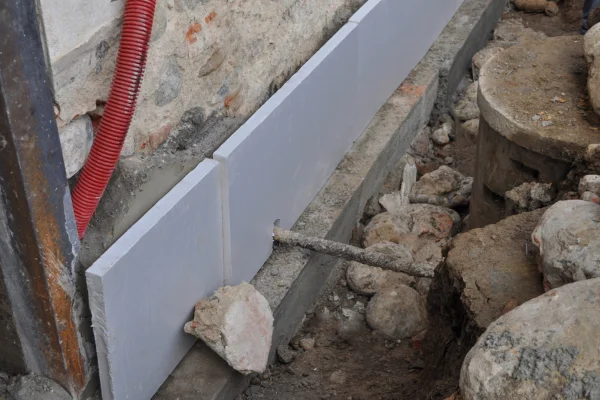
Foundation problems can be stressful for any homeowner. Cracks in walls, sloping floors, or doors that no longer close properly often raise concerns about structural safety and long-term value. One solution that is often recommended for serious foundation issues is foundation underpinning. While the term may sound technical, understanding what foundation underpinning is and when it is required can help Maryland homeowners make informed decisions about their property.
This guide explains foundation underpinning in clear terms, outlines the warning signs that indicate it may be necessary, and discusses why local soil and climate conditions in Maryland play a role.
What Is Foundation Underpinning?
Foundation underpinning is a structural repair method used to strengthen and stabilize an existing foundation. It involves extending the foundation deeper or reinforcing it so the weight of the home is supported by stronger soil or bedrock below. The goal is to stop ongoing settlement and prevent further structural damage.
In residential homes, this service is typically recommended when the original foundation can no longer safely support the structure above it. This does not mean the home is unsafe to occupy right away, but it does signal that professional evaluation and repair are needed.
Why Foundations Fail in Maryland Homes
Maryland has a wide range of soil types, including clay heavy soils that expand when wet and shrink when dry. This constant movement puts stress on foundations over time. Seasonal moisture changes, heavy rainfall, and freeze thaw cycles can all contribute to foundation settlement.
Older homes in Maryland may also have shallow foundations that were built before modern construction standards. These foundations may not reach stable soil layers, making them more vulnerable to movement. In some cases, poor drainage around the home or plumbing leaks beneath the slab can accelerate foundation problems.
Common Signs That Foundation Underpinning May Be Required
Foundation issues often start small and gradually worsen. Knowing what to watch for can help homeowners address problems early.
One common sign is cracking. Vertical or stair step cracks in foundation walls, brick exteriors, or interior drywall can indicate movement. While small hairline cracks can be normal, wider cracks or cracks that continue to grow should be evaluated.
Uneven or sloping floors are another warning sign. If floors feel uneven when walking or furniture begins to tilt, foundation settlement may be occurring beneath the home.
Doors and windows that stick or no longer align properly can also point to foundation movement. As the structure shifts, frames can twist and cause operational issues.
Gaps between walls and ceilings or between walls and floors may appear as the foundation settles. These gaps are often accompanied by visible cracking.
In more advanced cases, homeowners may notice separation between exterior walls and chimneys or porches pulling away from the main structure.
Situations Where Foundation Underpinning Is Typically Required
One situation where foundation underpinning is required is ongoing foundation settlement. If a home continues to sink over time, surface repairs alone will not solve the problem. Underpinning addresses the root cause by transferring the load to stable soil layers.
Another situation involves foundation failure due to soil erosion or washout. Poor drainage or long-term water exposure can remove supporting soil beneath footings. Foundation underpinning rebuilds support where it has been lost.
Homes that have experienced structural changes may also require this service. Additions, second stories, or heavy renovations can increase the load on the foundation beyond what it was designed to handle.
Underpinning is also required when foundations were built improperly or do not meet current standards. This is more common in older homes where footings may be too shallow.
In some cases, intervention is necessary after damage from severe storms, flooding, or long-term moisture intrusion.
Types of Foundation Underpinning Used in Residential Homes
There are several methods used in residential structural repair. The best option depends on soil conditions, foundation type, and the severity of settlement.
Pier underpinning is one of the most common methods. Steel or concrete piers are driven or installed beneath the foundation until they reach stable soil or bedrock. The weight of the home is then transferred to these piers.
Helical piers are often used when soil conditions are poor near the surface. These screw-like piers are mechanically installed and provide strong support with minimal disturbance to the surrounding area.
Concrete underpinning involves extending the foundation footing deeper by pouring concrete in controlled sections beneath the existing foundation. This method is sometimes used when access is limited.
A professional inspection is needed to determine which method is appropriate for a specific home.
The Benefits of Foundation Underpinning
When done correctly, foundation underpinning provides long term stability. It stops ongoing settlement and helps protect the structure of the home.
Foundation underpinning can also improve property value. Buyers are often hesitant to purchase homes with unresolved foundation issues. A professionally underpinned foundation gives confidence that the problem has been addressed properly.
Another benefit is the prevention of future damage. Cracks, water intrusion, and structural stress often worsen if the foundation remains unstable. Foundation underpinning helps protect other parts of the home from continued movement.
When to Schedule a Professional Foundation Inspection
If you notice any signs of foundation movement, it is best to schedule an inspection sooner rather than later. Early evaluation can prevent minor issues from becoming major repairs.
A professional inspection will determine whether foundation underpinning is required or if other repair options are available. Not every crack means underpinning is needed, which is why expert assessment is critical.
Choosing the Right Contractor for Foundation Underpinning
Selecting the right contractor is one of the most important steps in the foundation underpinning process. Look for a company with proven experience in residential structural repair and a strong understanding of Maryland homes.
A qualified contractor will provide a clear explanation of the problem, recommend appropriate foundation underpinning solutions, and answer questions in plain language.
Contact Maryland Mold & Waterproofing for Foundation Repair
If you are seeing signs of foundation settlement or structural movement, foundation underpinning may be required to protect your home. Maryland Mold and Waterproofing provides professional foundation inspections and proven foundation underpinning solutions for homeowners across Maryland.
Contact Maryland Mold & Waterproofing today to schedule an evaluation and get expert guidance on stabilizing your foundation and protecting your home for years to come.
FAQs: Foundation Underpinning
How do I know if foundation underpinning is required for my home?
Foundation underpinning may be required if your home shows ongoing settlement, large cracks, sloping floors, or doors and windows that no longer align. A professional inspection is the only way to confirm the cause and severity of the issue.
Is foundation underpinning a permanent solution?
When properly designed and installed, foundation underpinning is a long term structural solution. It stabilizes the foundation by transferring the home’s weight to stronger soil or bedrock below.
How long does foundation underpinning take for a residential home?
Most residential foundation underpinning projects take several days to a few weeks depending on the method used and the extent of settlement. A contractor can provide a more accurate timeline after an inspection.
John Rivers is the guiding force behind Maryland Mold and Waterproofing, specializing in comprehensive waterproofing and mold remediation services. With a focus on protecting buildings from the damaging effects of water and mold, John has established the company as a leader in creating safe, dry, and healthy living environments. His commitment to using advanced techniques and materials ensures effective solutions for every project. Maryland Mold and Waterproofing is dedicated to educating clients on the importance of moisture control and mold prevention, offering expert advice and services to address and prevent these issues effectively.