
 Call Us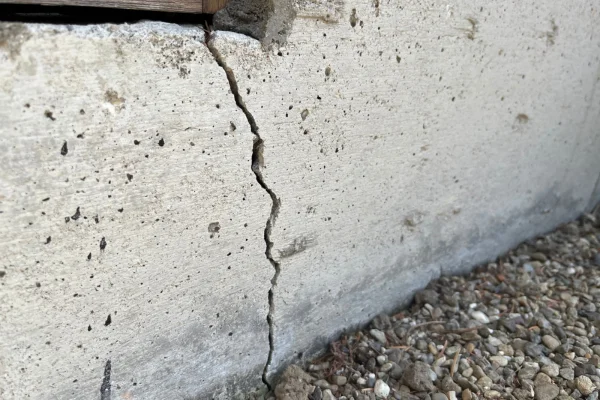
Buying a home is one of the biggest financial decisions most people will make. While location, layout, and cosmetic updates often get the most attention, the condition of the foundation can have a much greater impact on the property’s long-term value. Structural issues, water intrusion, and foundation movement can lead to expensive repairs that may not be obvious during a walk-through.
A standard home inspection provides a general overview of a property’s condition, but it may not identify every concern related to the foundation. Scheduling a professional foundation inspection before closing can give buyers a better understanding of the home’s structural condition and help them make a more informed decision.
Whether you’re purchasing your first home or adding another property to your portfolio, knowing what a foundation inspection involves can help you avoid unexpected repair costs after moving in.
Why a Foundation Inspection Is Worth the Investment
The foundation supports every part of a home. If it develops structural problems, those issues can affect walls, floors, doors, windows, plumbing, and other building components.
A professional foundation inspection focuses specifically on evaluating the condition of the home’s foundation and identifying warning signs that may require further attention.
Discovering problems before closing gives buyers valuable information that can be used to:
- Better understand the home’s condition
- Budget for future repairs
- Request repairs from the seller
- Negotiate the purchase price
- Decide whether the investment still makes financial sense
In many cases, a relatively small investment in an inspection can help prevent much larger expenses later.
What Does a Foundation Inspection Include?
Every property is different, but a comprehensive foundation inspection typically involves evaluating both the interior and exterior of the home.
During the inspection, professionals may examine:
- Foundation walls
- Basement floors
- Crawl spaces
- Visible cracks
- Wall movement
- Floor level changes
- Moisture intrusion
- Drainage around the home
- Signs of settlement
- Waterproofing conditions
The goal is to determine whether the foundation is performing as intended or showing signs of movement, deterioration, or water damage.
Common Signs of Foundation Problems
Foundation issues are not always dramatic. Some warning signs develop slowly and become more noticeable over time.
A professional foundation inspection looks beyond cosmetic imperfections to determine whether these symptoms indicate a larger structural concern.
Foundation Cracks
Not every crack is a cause for alarm.
Hairline shrinkage cracks commonly develop as concrete cures and often require little more than monitoring. Larger cracks, stair step cracks in masonry, or widening horizontal cracks may indicate movement that deserves closer evaluation.
The location, direction, and size of each crack help determine whether repairs may be necessary.
Uneven Floors
Floors that slope or feel uneven can point to foundation settlement or structural movement.
While older homes naturally experience some settling over time, significant changes in floor elevation should be investigated before purchasing the property.
An inspection helps determine whether the movement is historic and stable or if it appears to be ongoing.
Sticking Doors and Windows
Doors and windows that suddenly become difficult to open or close may indicate that portions of the home have shifted.
Although seasonal humidity can sometimes affect wood framing, widespread sticking throughout the house may signal foundation movement.
Evaluating these conditions alongside other structural indicators provides a more complete picture of the home’s overall condition.
Bowing or Leaning Foundation Walls
Foundation walls should remain straight and stable.
Walls that bow inward or lean can result from excessive soil pressure outside the home. Left unaddressed, this pressure can worsen over time and eventually compromise the structural integrity of the foundation.
Identifying these issues before closing allows buyers to understand the scope of potential repairs.
Water Problems Can Affect Foundation Performance
Moisture is one of the leading contributors to foundation problems.
Poor drainage allows water to collect around the home, increasing pressure against foundation walls while saturating the surrounding soil. As soil expands and contracts with changing moisture levels, it can contribute to settlement and structural movement.
During a foundation inspection, professionals often evaluate signs of water intrusion such as:
- Damp basement walls
- Standing water
- Efflorescence
- Mold or mildew
- Water stains
- High humidity
- Existing waterproofing systems
Addressing moisture problems early helps protect both the foundation and the home’s indoor environment.
Exterior Drainage Matters More Than Many Buyers Realize
Many foundation problems begin outside the home.
Improper grading, clogged gutters, short downspouts, and poor drainage can direct rainwater toward the foundation instead of away from it.
During a foundation inspection, the surrounding property is often evaluated for drainage conditions that could contribute to future structural or waterproofing concerns.
Correcting drainage problems may prevent foundation movement while reducing the likelihood of basement leaks.
When Additional Evaluation May Be Recommended
Some homes show minor cosmetic changes that require little concern. Others display conditions that deserve additional investigation.
If significant structural movement is suspected, a foundation specialist may recommend consulting with a structural engineer for further evaluation.
Working together, these professionals can help buyers fully understand the condition of the home before completing the purchase.
Having this information upfront provides greater confidence during one of life’s largest financial decisions.
Why a Standard Home Inspection May Not Be Enough
Home inspectors evaluate many different systems throughout a property, including roofing, plumbing, electrical components, HVAC equipment, and visible structural elements.
Because they examine the entire home, foundation issues may receive less detailed evaluation than they would during a dedicated foundation inspection.
A foundation specialist focuses specifically on structural conditions, waterproofing concerns, drainage issues, and other factors that directly affect the stability of the home.
For buyers considering an older home or a property with a basement, this added level of evaluation can provide valuable peace of mind.
Protect Your Investment Before Closing
Buying a home is exciting, but it also comes with important decisions. Discovering foundation problems after closing can result in unexpected repair bills and significant stress.
Scheduling a professional foundation inspection before finalizing the purchase gives buyers a clearer understanding of the home’s condition. Whether the inspection finds only minor concerns or identifies repairs that should be addressed before closing, the information allows you to move forward with confidence.
If you’re buying a home and want to better understand the condition of its foundation, contact Maryland Mold & Waterproofing. Their experienced team provides professional foundation inspection services along with waterproofing and foundation repair solutions to help protect your investment for years to come.
FAQ
Can a home pass a standard home inspection and still have foundation issues?
Yes. A standard home inspection is broad in scope and may not identify every structural or waterproofing concern. A dedicated foundation evaluation provides a more detailed assessment of the home’s structural condition.
Should I be concerned about small foundation cracks before buying a home?
Not all cracks indicate a serious structural problem. The size, location, and pattern of the cracks help determine whether they are normal settlement or signs of movement that should be investigated further.
Can drainage problems affect a home’s foundation over time?
Yes. Poor grading, clogged gutters, and improper downspout placement can allow water to collect around the foundation, increasing the risk of settlement, basement leaks, and structural damage if left uncorrected.
John Rivers is the guiding force behind Maryland Mold and Waterproofing, specializing in comprehensive waterproofing and mold remediation services. With a focus on protecting buildings from the damaging effects of water and mold, John has established the company as a leader in creating safe, dry, and healthy living environments. His commitment to using advanced techniques and materials ensures effective solutions for every project. Maryland Mold and Waterproofing is dedicated to educating clients on the importance of moisture control and mold prevention, offering expert advice and services to address and prevent these issues effectively.