
 Call Us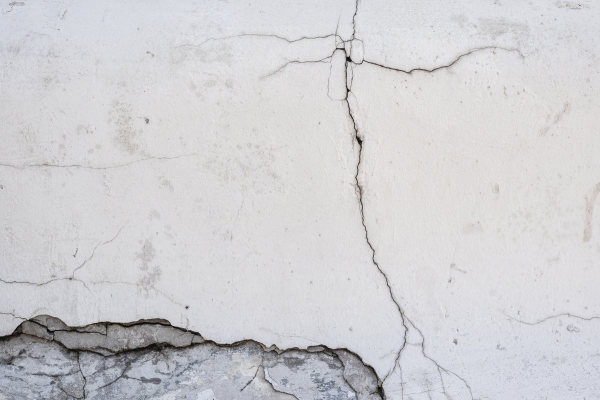
Homeowners in Maryland know how important a strong foundation is to the safety and stability of their homes. Over time, foundations can develop cracks due to soil movement, water damage, poor drainage, or natural settling. While small cracks might seem like a minor issue, they can grow into major structural problems if left untreated. That is why working with experienced professionals for foundation crack repair is the safest and most effective solution.
This guide will walk you through what to expect during the process of professional foundation crack repair so you can feel prepared, informed, and confident when it comes time to protect your home.
Understanding Why Foundation Crack Repair Matters
Cracks in your foundation are more than cosmetic flaws. They can signal deeper problems that threaten the strength of your home’s structure. In Maryland, where soil shifts due to seasonal changes in moisture, foundation cracks are a common concern. Ignoring them can lead to:
Water intrusion into basements or crawl spaces
Mold and mildew growth
Uneven floors
Sticking doors and windows
Weakened structural integrity
Hiring professionals for foundation crack repair helps stop these issues before they escalate. They not only fix the cracks but also address the root cause of the damage.
Step 1: Professional Foundation Inspection
The process always begins with a thorough inspection. A professional contractor will examine both the interior and exterior of your home to identify the location, size, and severity of the cracks. They may also look for related signs of foundation damage such as sagging floors or gaps around windows and doors.
During this stage, homeowners should expect the contractor to explain whether the cracks are cosmetic or structural. Hairline cracks in drywall, for example, might not pose a risk. Horizontal cracks in the foundation, on the other hand, often point to soil pressure or water problems and require immediate attention.
This inspection gives the contractor the information needed to recommend the best foundation crack repair method for your specific situation.
Step 2: Determining the Right Repair Method
Not all foundation cracks are repaired the same way. Depending on the type and cause of the crack, professionals may recommend one or more of the following repair methods:
Epoxy Injection: Best for small to medium cracks that are non-structural. Epoxy bonds the concrete together and restores strength.
Polyurethane Foam Injection: Ideal for sealing cracks that allow water to enter. The foam expands to fill the gap and prevents leaks.
Carbon Fiber Reinforcement: Often used for horizontal cracks caused by soil pressure. Carbon fiber straps add strength and prevent further movement.
Underpinning or Piering: In cases where cracks result from foundation settlement, underpinning may be required to stabilize the structure.
Your contractor will explain which method is most effective for your home and why it is necessary. This step ensures the solution addresses both the visible crack and the underlying issue.
Step 3: Preparing the Work Area
Before the repair begins, the work area must be prepared. This often includes cleaning the crack and the surrounding surface so repair materials bond properly. In some cases, contractors may need to dig outside along the foundation to access the crack from the exterior.
Homeowners should expect a certain level of disruption during this stage, but reputable contractors work hard to keep the process as clean and efficient as possible. For indoor repairs, protective coverings may be used to shield floors and furniture from dust or debris.
Step 4: Performing the Foundation Crack Repair
The actual repair process depends on the chosen method. For example, if the contractor uses epoxy injection, they will insert ports along the crack, seal the surface, and then inject epoxy under pressure to fill the void completely. If polyurethane foam is used, it will expand inside the crack to block water intrusion.
When carbon fiber reinforcement is required, the straps are applied directly to the foundation wall with a strong bonding agent, creating a permanent barrier against further cracking. For more severe settlement issues, underpinning or piering involves driving supports into stable soil to lift and stabilize the foundation.
Each of these methods requires skill, specialized tools, and knowledge of concrete behavior. Professional contractors in Maryland bring the training and experience necessary to complete foundation crack repair safely and effectively.
Step 5: Cleanup and Final Inspection
Once the repair is complete, the contractor will clean up the area and conduct a final inspection. They will check that the crack is sealed, reinforcement is secure, and the foundation is stable. Homeowners should expect to receive documentation of the repair and, in many cases, a warranty for the work performed.
This step gives peace of mind that the repair has been done correctly and that the home is protected against future damage.
Preventing Future Foundation Cracks
While professional foundation crack repair solves the immediate issue, it is equally important to prevent future damage. Contractors may recommend additional steps such as:
Improving exterior drainage by adding downspout extensions or grading the soil away from the foundation
Installing a sump pump or waterproofing system to reduce water pressure around the foundation
Repairing gutters to keep rainwater directed away from your home
Scheduling routine inspections to catch small cracks early
For Maryland homeowners, controlling moisture around the home is one of the most effective ways to reduce foundation problems. The U.S. Department of Housing and Urban Development (HUD) offers guidance on residential foundation maintenance, which can be a valuable resource alongside professional services.
Why Professional Foundation Crack Repair is Worth It
Some homeowners consider tackling foundation cracks on their own with store-bought sealants. While these might provide a temporary fix, they rarely solve the underlying issue. Without the proper tools, materials, and expertise, the cracks often reappear and the damage worsens over time.
Professional contractors not only repair the visible cracks but also understand the soil conditions, weather patterns, and building codes specific to Maryland. They bring the experience needed to diagnose the root cause and provide a lasting solution. Investing in professional foundation crack repair protects your property value and keeps your family safe.
Choosing the Right Contractor in Maryland
When selecting a contractor for foundation crack repair, homeowners should look for companies with:
Proven experience in structural repair and waterproofing
Knowledge of Maryland’s unique soil and climate conditions
Positive customer reviews and references
Licensing and insurance
Warranties on completed work
Maryland Mold and Waterproofing meets all these standards and has helped countless homeowners restore confidence in their homes’ foundations.
Final Thoughts
Foundation cracks should never be ignored, no matter how small they appear. With professional help, repairs are straightforward, effective, and long lasting. From inspection to repair and prevention, the process gives homeowners peace of mind knowing their home is stable and secure.
If you are a homeowner in Maryland and have noticed cracks in your foundation, do not wait for the problem to get worse. Contact Maryland Mold and Waterproofing today to schedule an inspection and learn more about reliable foundation crack repair services that protect your home for years to come.
FAQs
How do I know if a foundation crack is serious?
Hairline cracks in concrete are common and often harmless, but wider cracks or those that run horizontally can indicate structural problems. If you see water leaking through cracks or notice doors and windows sticking, it is best to call a professional for a foundation inspection.
Can I do foundation crack repair myself?
While hardware store sealants may provide a temporary patch, they rarely address the underlying cause of foundation cracks. Professional contractors use specialized materials and methods that provide lasting stability and protection.
How long does professional foundation crack repair take?
The timeline depends on the size and severity of the crack. Minor repairs may take just a few hours, while more extensive structural work can take one to several days. A professional contractor will provide a clear timeline after inspecting your foundation.
John Rivers is the guiding force behind Maryland Mold and Waterproofing, specializing in comprehensive waterproofing and mold remediation services. With a focus on protecting buildings from the damaging effects of water and mold, John has established the company as a leader in creating safe, dry, and healthy living environments. His commitment to using advanced techniques and materials ensures effective solutions for every project. Maryland Mold and Waterproofing is dedicated to educating clients on the importance of moisture control and mold prevention, offering expert advice and services to address and prevent these issues effectively.