
 Call Us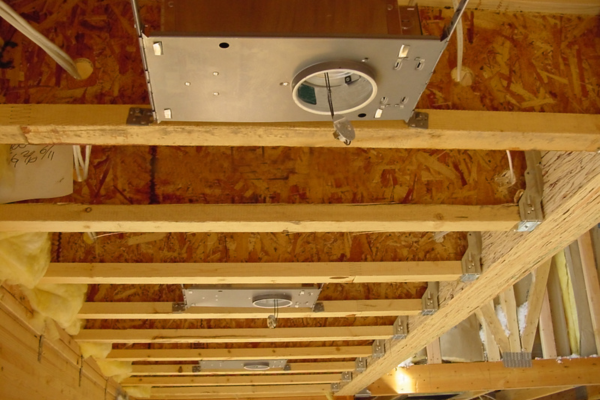
Your home’s structure depends on more than what you can see. Beneath your flooring system are floor joists that support the weight of your rooms, walls, and everything inside them. When these structural members begin to fail, the damage can spread quickly. That is why understanding when you need floor joist repair is critical for protecting your home and your investment.
For homeowners in Maryland, moisture issues, crawl space humidity, and basement water intrusion can all lead to joist damage. Knowing the warning signs early can help you avoid more serious structural problems.
What Are Floor Joists?
Floor joists are horizontal framing members that run beneath your subfloor. They transfer weight to beams and foundation walls. When joists weaken due to rot, mold, insect damage, or long-term moisture exposure, your home’s structural stability is at risk.
Floor joist repair involves reinforcing, sistering, or replacing damaged joists to restore structural strength. In some cases, repairs also include correcting the source of moisture that caused the damage in the first place. Without proper floor joist repair, sagging floors and structural shifting can worsen over time.
Signs You May Need Floor Joist Repair
1. Uneven or Sagging Floors
One of the most common signs you need floor joist repair is uneven or sagging floors. If you notice soft spots when walking across a room or see dips forming along the floor surface, damaged joists could be the cause.
Over time, weakened joists lose their ability to carry weight properly. This leads to visible sagging. In older Maryland homes, especially those with crawl spaces, excess moisture can accelerate wood rot and compromise structural integrity.
Ignoring sagging floors can lead to cracked drywall, misaligned doors, and additional framing damage.
2. Bouncy or Spongy Flooring
If your floors feel bouncy or springy, this is another indicator that floor joist repair may be necessary. Joists are designed to provide firm support. When they begin to deteriorate, the floor may flex more than normal.
This issue is common in homes with long-term moisture exposure in basements or crawl spaces. Mold growth and wood rot weaken the joist fibers, reducing their strength. Homeowners often assume this is a cosmetic issue, but it can signal deeper structural damage.
Professional floor joist repair addresses both the weakened joists and the moisture conditions contributing to the problem.
3. Cracks in Interior Walls or Ceilings
Structural movement caused by failing joists can lead to cracks in drywall, ceilings, or even tile flooring. While small hairline cracks are normal in many homes, larger or expanding cracks may point to structural instability.
When joists sag or shift, they create uneven pressure throughout the framing system. This stress transfers upward into walls and ceilings. If you notice cracks combined with sagging floors, it is wise to schedule an inspection for possible floor joist repair.
4. Moisture, Mold, and Wood Rot in Crawl Spaces
In Maryland, humidity and seasonal moisture create ideal conditions for mold and wood rot beneath homes. Crawl spaces that lack proper waterproofing or vapor barriers often expose floor joists to damp conditions year-round.
If you see visible mold growth, dark staining on wood, or soft, crumbling joists, you likely need professional floor joist repair. Mold does more than create odor problems. It breaks down wood fibers and weakens structural components.
Addressing floor joist repair without correcting the underlying moisture problem will only provide a temporary fix. A comprehensive approach often includes waterproofing, drainage solutions, and humidity control.
5. Termite or Pest Damage to Floor Joists
Termites and wood-destroying insects are another serious threat to floor joists. These pests feed on wood from the inside out, leaving behind hollowed framing members that appear intact on the surface.
Signs of insect damage include small holes, hollow-sounding wood, or visible tunnels. If pests have compromised the structural integrity of your joists, immediate floor joist repair is necessary.
In many cases, pest treatment must occur before structural repairs begin to prevent ongoing damage.
6. Doors and Windows That Stick
You may not immediately connect sticking doors or windows to floor joist repair, but structural shifting often affects door and window frames. As joists sag, the framing above them can shift slightly, causing alignment problems.
If multiple doors in your home begin sticking or rubbing at the top or bottom, structural movement may be occurring below the floor. Combined with other warning signs, this issue warrants a structural evaluation.
7. Basement or Crawl Space Water Problems
Standing water in a basement or crawl space is a major red flag. Long-term exposure to moisture significantly increases the likelihood of floor joist damage.
In Maryland, heavy rains and fluctuating temperatures can create ongoing moisture challenges. If your basement smells musty or your crawl space feels damp, those conditions may already be affecting your joists.
Floor joist repair often goes hand in hand with waterproofing services. Repairing the structural damage while eliminating water intrusion protects your home long term.
Do Not Wait to Schedule Floor Joist Repair
Small structural issues rarely stay small. What starts as a slight sag or soft spot can turn into major framing failure if left unaddressed. The longer moisture, rot, or pests remain active, the more extensive the damage becomes.
Homeowners in Maryland should be especially cautious due to seasonal humidity and groundwater concerns. Early floor joist repair can prevent:
Extensive structural reconstruction
Interior wall and ceiling damage
Decreased property value
Safety risks for your family
If you notice any of the warning signs discussed above, a professional inspection is the next step.
Maryland Mold & Waterproofing Provides Expert Floor Joist Repair
Your home’s stability depends on strong structural support beneath the surface. Sagging floors, cracks, moisture issues, and pest damage should never be ignored. Acting quickly can save you thousands in long-term repairs.
Maryland Mold & Waterproofing specializes in floor joist repair for residential homeowners. Their team identifies the root cause of the damage and provides structural solutions that restore safety and stability. From moisture control to structural reinforcement, they address the full scope of the problem.
If you suspect you may need floor joist repair, contact Maryland Mold & Waterproofing today to schedule a professional inspection and protect your home for years to come.
FAQs
What are floor joists?
Floor joists are horizontal structural beams that support the weight of your floors, walls, and furniture. They transfer loads to beams and foundation walls. Damaged joists can compromise the stability of your entire home.
How far apart are floor joists?
Most residential floor joists are spaced 12, 16, or 24 inches apart on center. The spacing depends on building codes, span length, and load requirements. Older Maryland homes may have different spacing standards.
How do I reinforce floor joists?
Reinforcing floor joists typically involves sistering new lumber alongside weakened joists or adding support beams. The correct method depends on the cause and extent of the damage. Professional evaluation is recommended before starting any structural reinforcement.
John Rivers is the guiding force behind Maryland Mold and Waterproofing, specializing in comprehensive waterproofing and mold remediation services. With a focus on protecting buildings from the damaging effects of water and mold, John has established the company as a leader in creating safe, dry, and healthy living environments. His commitment to using advanced techniques and materials ensures effective solutions for every project. Maryland Mold and Waterproofing is dedicated to educating clients on the importance of moisture control and mold prevention, offering expert advice and services to address and prevent these issues effectively.