 Call Us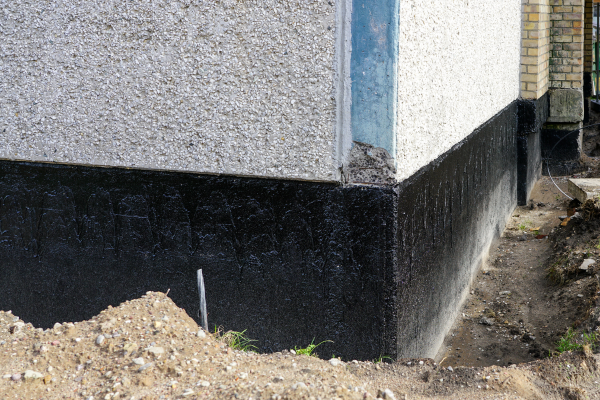
Moisture problems in a home can start small and grow into major structural and health concerns. Many homeowners first notice peeling paint on basement walls, a musty smell, or damp spots after a heavy rain. These signs can point to underlying issues that require more than temporary fixes. Two common solutions are damp proofing and waterproofing. While the terms sound similar, they protect a home in very different ways. Understanding how damp proofing works and how it compares to waterproofing will help you make the right choice for your home.
What Is Damp Proofing?
Damp proofing is a method used to slow the movement of moisture through foundation walls. It is often applied during the construction of a home. It usually involves coating the exterior side of the foundation wall with a tar based or asphalt based material. These coatings help block moisture from moving through the concrete but they are not designed to stop water under pressure. Damp proofing can reduce small amounts of dampness and humidity in a basement. It cannot stop water that pushes against the foundation during storms or periods of heavy ground saturation.
Homeowners sometimes assume damp proofing solves all moisture problems but this is not the case. Damp proofing only protects against limited moisture. It is not intended to keep a basement dry during heavy rain. It also does not address poor drainage around the foundation or cracks that allow water to enter. Over time the original material can break down which reduces protection even further.
How Waterproofing Differs From Damp Proofing
Waterproofing offers a higher level of protection. Waterproofing systems are designed to keep water from entering a home even when the soil around the foundation becomes saturated. A waterproofing system can include membranes, drainage boards, interior drains, sump pumps, and exterior grading improvements. This approach stops water intrusion and manages water effectively rather than allowing it to build up against the foundation.
Unlike damp proofing, waterproofing is complete protection. It can handle water under pressure and it is built to last. It also solves the underlying causes of basement water problems such as hydrostatic pressure, clogged footing drains, and poor soil drainage. Damp proofing is a basic moisture barrier while waterproofing is a full solution for long term dry basements.
When Damp Proofing Is Used
Many new homes receive damp proofing as part of the construction process. Building codes often require a damp proofing layer but this requirement is minimal. It does not take the place of a full waterproofing system. Damp proofing may be acceptable for homes built on well drained soil where water rarely collects around the foundation. It may also work for crawl spaces that only require basic moisture control.
Homeowners should understand that damp proofing is the bare minimum. It is not meant to solve recurring water issues. If you have damp spots on the basement walls, musty odors, or visible moisture after rain, this process alone is not enough to protect your home.
Why Waterproofing Is Better For Most Homes
Waterproofing provides reliable protection from long term water problems. This is especially important in areas with high rainfall, clay based soil, or older homes that were never properly protected. Waterproofing systems manage water at the exterior and the interior. They can include foundation wall membranes, soil grading improvements, interior drains, sump pump systems, and vapor barriers. These products and methods work together to stop water before it becomes a problem inside the home.
Waterproofing also protects air quality. Moisture can lead to mold growth which can affect the health of your family. It can damage framing, drywall, and flooring. Waterproofing keeps these conditions under control. A dry foundation also helps protect the structure of the home. Over time water can weaken concrete, widen cracks, and increase settlement issues. These problems are expensive to repair once they develop. Waterproofing reduces these risks by keeping the foundation dry.
Comparing Damp Proofing and Waterproofing
A simple way to understand the difference between damp proofing and waterproofing is to look at performance. Damp proofing slows the movement of moisture but does not stop water intrusion. Waterproofing stops water from entering the home. Damp proofing is often a single layer applied to foundation walls. Waterproofing uses a combination of materials that manage water outside and inside the foundation. Damp proofing handles only minor moisture. Waterproofing handles heavy storms and long periods of saturated soil.
Another major difference is longevity. Damp proofing wears down over time and becomes less effective. Waterproofing materials and systems are designed to last longer and perform better under pressure. For homeowners looking to protect their homes and avoid expensive future repairs, waterproofing is the stronger option.
Signs That Damp Proofing Is Not Enough
Your home may show signs that damp proofing is failing or never adequate to begin with. Some examples include musty smells, wet basement walls, visible cracks, water pooling near the foundation, or mold growth. Efflorescence, a white powdery buildup on concrete walls, can also indicate moisture problems. If you see any of these signs it is important to act quickly. Long term moisture exposure can damage structural components and contribute to health issues.
How a Professional Evaluation Helps
A foundation specialist can identify the cause of water problems and recommend the best solution. A professional inspection looks at soil grading, downspout placement, foundation cracks, sump pump performance, and humidity levels. The specialist can also determine whether damp proofing is failing or if waterproofing is needed. Homeowners benefit from expert evaluation because moisture problems often have more than one cause. Addressing them correctly prevents repeat issues.
Choosing the Right Solution For Your Home
If your basement feels damp or you have seen water intrusion, it is important to consider the long term solution. Damp proofing is limited and offers basic moisture control. Waterproofing provides full protection, better air quality, and a safer environment for your family. A dry home is more comfortable, healthier, and more valuable. When water problems are left untreated they tend to grow and become more expensive to repair.
Maryland Mold and Waterproofing specializes in helping homeowners protect their foundations and avoid moisture damage. From foundation repair to full basement waterproofing and mold remediation, the team has the experience to correct existing issues and prevent future ones.
Protect Your Home With Maryland Mold and Waterproofing
If you are dealing with damp walls, musty odors, or signs of moisture, now is the time to act. Maryland Mold and Waterproofing can provide expert guidance and strong long term solutions for your home. Contact their team today to schedule an inspection and get reliable help with foundation repair, damp proofing issues, basement waterproofing, and mold concerns.
FAQs
What is the main difference between damp proofing and waterproofing?
Damp proofing slows moisture movement through foundation walls, while waterproofing stops water from entering entirely. Waterproofing handles heavier water pressure and offers stronger long term protection.
How do I know if my home needs more than damp proofing?
If you see water stains, musty odors, mold, or wet spots after rain, damp proofing is likely not enough. These signs usually point to water intrusion that requires a full waterproofing solution.
Is waterproofing worth the investment for older homes?
Yes, older homes often lack proper foundation protection and face higher moisture risks. Waterproofing can prevent structural damage and reduce the chance of mold problems over time.
John Rivers is the guiding force behind Maryland Mold and Waterproofing, specializing in comprehensive waterproofing and mold remediation services. With a focus on protecting buildings from the damaging effects of water and mold, John has established the company as a leader in creating safe, dry, and healthy living environments. His commitment to using advanced techniques and materials ensures effective solutions for every project. Maryland Mold and Waterproofing is dedicated to educating clients on the importance of moisture control and mold prevention, offering expert advice and services to address and prevent these issues effectively.