 Call Us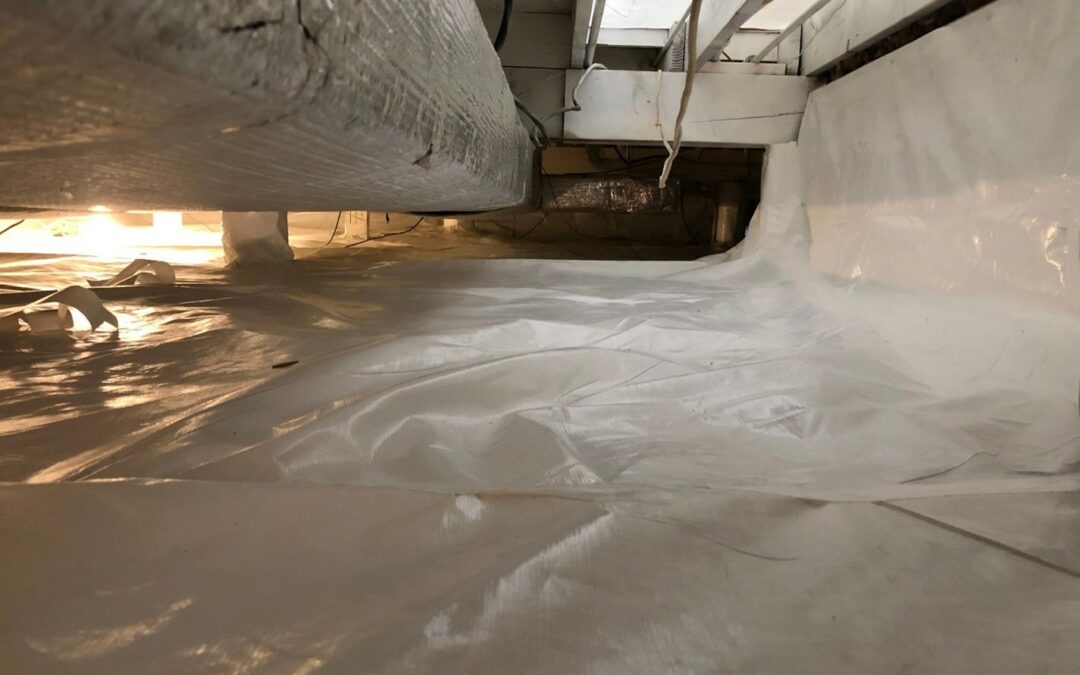
Many homeowners spend time thinking about roof repairs, foundation issues, and basement waterproofing, but often overlook one of the most important areas of the home: the crawl space. Moisture that enters a crawl space can create serious problems over time, including mold growth, wood rot, poor indoor air quality, and higher energy bills. A crawl space moisture barrier is one of the most effective ways to protect your home from these issues.
If you are considering installing a crawl space moisture barrier, understanding the cost and long-term value can help you make an informed decision. While the upfront investment varies depending on the size and condition of the crawl space, the benefits often outweigh the expense by protecting your home’s structure and improving overall comfort.
What Is a Crawl Space Moisture Barrier?
A crawl space moisture barrier is a heavy-duty plastic material installed across the ground and sometimes along the walls of a crawl space. Its primary purpose is to prevent moisture from the soil from evaporating into the crawl space and affecting the home above.
Even when a crawl space appears dry, moisture can still enter through the ground. Over time, this moisture can create elevated humidity levels that encourage mold growth and damage wood framing. A properly installed crawl space moisture barrier creates a protective layer between the soil and your home’s structure.
Many homeowners confuse a crawl space moisture barrier with full crawl space encapsulation. While both systems help control moisture, encapsulation typically includes additional components such as wall coverings, insulation upgrades, and dehumidification systems.
Factors That Affect Crawl Space Moisture Barrier Cost
The cost of a crawl space moisture barrier depends on several factors. Every home is different, which means installation costs can vary significantly.
Crawl Space Size
The square footage of the crawl space is one of the biggest cost factors. Larger crawl spaces require more materials and labor, which increases the overall project cost.
Condition of the Crawl Space
If the crawl space already contains standing water, mold growth, damaged insulation, or structural concerns, repairs may need to be completed before the crawl space moisture barrier can be installed.
For example, a crawl space with excessive moisture damage may require mold remediation or wood repair before the moisture barrier can perform effectively.
Material Thickness
Not all moisture barriers are created equal. Higher-quality barriers use thicker materials that are more resistant to punctures and tears.
Common vapor barrier thicknesses include:
- 6 mil
- 10 mil
- 12 mil
- 20 mil
Thicker materials typically cost more but often provide better long-term durability and protection.
Accessibility
Some crawl spaces are easy to access, while others have low clearances or difficult entry points. Limited access can increase labor costs because technicians may need additional time to install the crawl space moisture barrier properly.
Additional Moisture Control Measures
In some cases, homeowners may benefit from combining a crawl space moisture barrier with other moisture control solutions. These can include:
- Drainage improvements
- Sump pump installation
- Crawl space dehumidifiers
- Foundation crack repair
- Crawl space encapsulation
Adding these systems increases the total project cost but may provide greater protection against long-term moisture issues.
Why a Crawl Space Moisture Barrier Is Worth the Investment
While many homeowners focus on installation costs, it is equally important to consider the long-term value of a crawl space moisture barrier.
Protects Against Mold Growth
Moisture is one of the primary causes of mold growth inside crawl spaces. Once mold develops, spores can travel throughout the home and negatively affect indoor air quality.
A crawl space moisture barrier helps reduce the conditions that allow mold to thrive. This can lower the risk of costly mold remediation services in the future.
Helps Prevent Wood Rot
Excess moisture can damage floor joists, support beams, and other structural wood components. As wood absorbs moisture, it becomes vulnerable to rot, weakening the structure over time.
Installing a crawl space moisture barrier helps limit moisture exposure and protects these critical structural elements.
Improves Indoor Air Quality
Many homeowners do not realize that air from the crawl space can move into living areas through gaps, vents, and mechanical systems. If the crawl space contains excess moisture, mold, or musty odors, these issues can affect the air inside the home.
A crawl space moisture barrier helps create a cleaner environment beneath the home, which can contribute to better indoor air quality.
Increases Energy Efficiency
Moist air can make heating and cooling systems work harder throughout the year. High humidity levels often cause homeowners to rely more heavily on air conditioning during warmer months.
By controlling moisture, a crawl space moisture barrier can help stabilize indoor conditions and improve overall energy efficiency.
Supports Home Value
Potential buyers often view moisture issues as a major concern. Evidence of mold, water intrusion, or crawl space damage can create red flags during a home inspection.
A professionally installed crawl space moisture barrier demonstrates that steps have been taken to protect the property. This can make a home more attractive to future buyers.
Signs You Need a Crawl Space Moisture Barrier
Many homeowners are unaware that moisture problems are developing beneath their homes. Recognizing the warning signs early can help prevent more extensive damage.
You may benefit from a crawl space moisture barrier if you notice:
- Musty odors inside the home
- Increased humidity indoors
- Mold growth in the crawl space
- Condensation on pipes or ductwork
- Sagging floors
- Wet insulation
- Standing water after heavy rain
- Visible moisture on crawl space surfaces
If any of these issues are present, a professional inspection can determine the best solution.
How Long Does a Crawl Space Moisture Barrier Last?
The lifespan of a crawl space moisture barrier depends on the material quality, installation method, and environmental conditions.
Higher-quality barriers can last 15 to 25 years or longer when properly installed and maintained. Routine inspections help identify damage before it becomes a larger issue.
Investing in a durable crawl space moisture barrier often provides greater value over time compared to repeatedly replacing lower-quality materials.
Choosing the Right Crawl Space Moisture Barrier Contractor
Selecting an experienced contractor is just as important as choosing the right materials. A qualified professional can evaluate your crawl space, identify contributing moisture issues, and recommend the most effective solution for your home.
Homeowners should look for a contractor with experience in crawl space repair, basement waterproofing, foundation repair, and mold remediation. These services often work together to provide complete moisture protection.
For homeowners in Maryland, working with a company that understands local soil conditions, seasonal weather patterns, and common moisture issues can make a significant difference in long-term results.
Contact Maryland Mold & Waterproofing
From reducing mold growth and improving indoor air quality to protecting structural components and supporting energy efficiency, a crawl space moisture barrier delivers lasting value for homeowners. Addressing moisture issues early can help prevent expensive repairs and create a healthier living environment for years to come.
If you are concerned about moisture beneath your home, the team at Maryland Mold & Waterproofing can help. We provide professional crawl space inspections, crawl space moisture barrier installation, crawl space repair, mold remediation, foundation repair, and waterproofing solutions. Contact Maryland Mold & Waterproofing today to schedule an inspection and learn how a crawl space moisture barrier can protect your home and your investment.
FAQ
How do I know if moisture is entering my crawl space?
Signs often include musty odors, high indoor humidity, wet insulation, condensation on pipes, or visible mold growth. A professional inspection can identify hidden moisture sources before they cause significant damage.
Is a moisture barrier enough to solve all crawl space moisture problems?
A moisture barrier is highly effective for reducing ground moisture, but some homes may also need drainage improvements, dehumidification, or repairs to address water intrusion from other sources. The right solution depends on the conditions within the crawl space.
Will installing a moisture barrier help lower energy costs?
In many cases, yes. Reducing moisture levels can help create a more stable indoor environment, which may reduce strain on heating and cooling systems and improve overall energy efficiency.
John Rivers is the guiding force behind Maryland Mold and Waterproofing, specializing in comprehensive waterproofing and mold remediation services. With a focus on protecting buildings from the damaging effects of water and mold, John has established the company as a leader in creating safe, dry, and healthy living environments. His commitment to using advanced techniques and materials ensures effective solutions for every project. Maryland Mold and Waterproofing is dedicated to educating clients on the importance of moisture control and mold prevention, offering expert advice and services to address and prevent these issues effectively.