 Call Us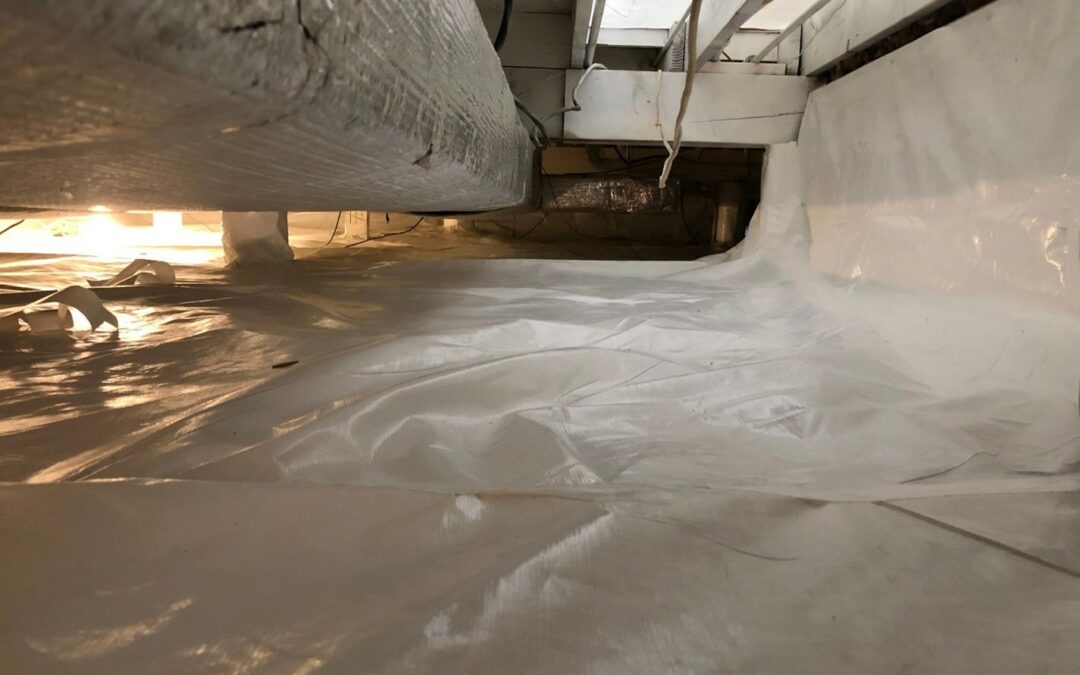
If your home has a crawl space, moisture is the enemy. It invites mold, damages wood structures, and can impact the air quality in your living space. One of the most effective ways to keep crawl space moisture under control is by installing a vapor barrier. But not all vapor barriers are created equal. So how do you choose the best vapor barrier for crawl spaces? Here’s everything homeowners need to know.
Why Crawl Spaces Need Vapor Barriers
Crawl spaces tend to be dark, damp, and poorly ventilated. Without protection, ground moisture seeps into the space, raising humidity levels and creating an ideal environment for mold, mildew, and wood rot. Over time, that moisture can travel up into the home through a process called the stack effect, impacting air quality and energy efficiency.
A vapor barrier acts as a shield. It blocks ground moisture from entering the crawl space, keeping it dry and stable. This one layer can make a major difference in protecting your home’s foundation and your family’s health.
What Is a Vapor Barrier?
A vapor barrier is a thick plastic or foil sheet installed over the ground in a crawl space. It’s designed to reduce the transfer of water vapor from the soil into the air. Most vapor barriers are made from polyethylene (plastic), and the thickness is measured in mils (1 mil = 0.001 inches).
For example, a 6-mil barrier is relatively thin and more likely to tear, while a 20-mil barrier is thick, durable, and ideal for long-term protection.
The best vapor barrier for crawl spaces is one that balances durability, permeability, and cost. Let’s break down the key factors to consider.
Thickness: How Much Is Enough?
One of the first decisions you’ll make is the thickness of the vapor barrier. Common sizes include 6-mil, 10-mil, 12-mil, and 20-mil.
6-mil: Inexpensive and easy to install, but more prone to tears and punctures. Suitable for very low-traffic crawl spaces but not recommended for long-term protection.
10-mil to 12-mil: Offers a good middle ground. Strong enough for moderate use, and more durable than 6-mil.
20-mil: The gold standard for strength and performance. Ideal for encapsulated crawl spaces, especially where maintenance crews or inspectors may need access.
If you’re looking for the best vapor barrier for crawl spaces in terms of lifespan and toughness, 20-mil is the clear winner.
Reinforcement and Material Quality
Not all polyethylene is created equal. Some vapor barriers include polyester or string reinforcements between layers for added strength. These reinforced barriers are much harder to puncture and tear, making them well suited for high-traffic or high-moisture environments.
You also want to look for barriers with low permeability. This refers to how much moisture can pass through the material. The lower the permeability, the better the barrier will perform.
Products that meet ASTM E1745 Class A standards have been tested for puncture resistance and water vapor permeability, making them reliable choices for homeowners.
White vs. Black Vapor Barriers
You’ll see both white and black vapor barriers on the market. So what’s the difference?
White barriers are often used in full crawl space encapsulation projects because they reflect light, making the space brighter and easier to inspect or work in.
Black barriers tend to absorb heat and don’t offer the same visibility.
There’s no functional difference in moisture control between the two. It really comes down to preference and how the space will be used.
Installation: It Matters More Than You Think
Even the best vapor barrier for crawl spaces won’t perform if it’s installed poorly. Gaps, overlaps, or improperly sealed seams will let moisture sneak in. A quality installation should include:
Full ground coverage with minimal seams
Sealing of seams with tape designed for vapor barriers
Barrier extended up walls and piers, sealed with mechanical fasteners or caulk
Overlaps of at least 12 inches between sheets
It’s also important to address any standing water or active leaks before installing the barrier. A vapor barrier is not a fix for drainage issues; it’s part of a larger moisture management system.
Is a Vapor Barrier Enough?
Sometimes a vapor barrier alone isn’t enough. For homes with persistent humidity problems, it may be necessary to fully encapsulate the crawl space. This involves sealing the vents, insulating the walls, and adding a dehumidifier to control air moisture year-round.
While this is a larger investment, it can dramatically improve energy efficiency, indoor air quality, and long-term durability. If you’re unsure whether your home needs full encapsulation, a moisture assessment from a qualified contractor can help you decide.
Long-Term Benefits of Choosing the Best Vapor Barrier
When you install the best vapor barrier for crawl spaces, you’re not just blocking moisture. You’re adding long-term value and protection to your home. Benefits include:
Improved indoor air quality: Less mold and mildew, cleaner air in your living space
Energy savings: Dry crawl spaces help HVAC systems run more efficiently
Foundation protection: Moisture can break down concrete and wood over time
Pest control: Rodents and insects are less attracted to dry environments
Home value: Encapsulated and protected crawl spaces are a major selling point for future buyers
Cost Considerations
The cost of a vapor barrier installation depends on the size of your crawl space, the thickness of the barrier, and the condition of the space itself. While thinner options may seem budget-friendly upfront, they often lead to higher long-term costs due to repairs, replacements, or water damage.
Homeowners who choose the best vapor barrier for crawl spaces from the beginning usually see fewer issues down the line and better overall performance.
If you’re doing your own research on building materials, you can check out the U.S. Department of Energy’s guide to crawl space insulation and moisture control. It provides helpful insights on building science and energy efficiency for residential homes.
Why Homeowners Trust Maryland Mold and Waterproofing
When it comes to protecting your home, shortcuts aren’t an option. At Maryland Mold and Waterproofing, we specialize in crawl space moisture control, including vapor barrier installation, mold remediation, and full encapsulation systems. We work with homeowners across Maryland to create dry, healthy, and energy-efficient foundations that stand the test of time.
Our team uses only high-performance materials, including reinforced 20-mil vapor barriers, and installs every system with precision. We don’t believe in “good enough.” We believe in getting it right the first time.
Ready to Protect Your Crawl Space?
Choosing the best vapor barrier for crawl spaces is one of the smartest investments you can make as a homeowner. If you’re dealing with damp air, musty smells, or visible signs of moisture in your crawl space, it’s time to act.
Contact Maryland Mold and Waterproofing today to schedule a free crawl space evaluation. Let’s make sure your home stays dry, safe, and structurally sound for years to come.
Frequently Asked Questions
1. How long does a vapor barrier last in a crawl space?
A high-quality vapor barrier, especially one that’s 12-mil or thicker and properly installed, can last 20 years or more. Thinner barriers (like 6-mil) may only last a few years before needing replacement. Durability depends heavily on foot traffic, moisture levels, and how well it was installed.
2. Can I install a vapor barrier myself?
Technically, yes—but it’s not recommended unless you have experience working in tight, damp conditions. DIY installations often leave gaps, overlaps, or tears that allow moisture to sneak through. Professional installation ensures the vapor barrier is sealed correctly and lasts long-term.
3. Do I still need a dehumidifier after installing a vapor barrier?
In some cases, yes. A vapor barrier stops ground moisture, but if humidity is still high due to outside air or foundation leaks, a dehumidifier helps control moisture in the air. Full crawl space encapsulation with a dehumidifier provides the most complete solution for moisture control.
John Rivers is the guiding force behind Maryland Mold and Waterproofing, specializing in comprehensive waterproofing and mold remediation services. With a focus on protecting buildings from the damaging effects of water and mold, John has established the company as a leader in creating safe, dry, and healthy living environments. His commitment to using advanced techniques and materials ensures effective solutions for every project. Maryland Mold and Waterproofing is dedicated to educating clients on the importance of moisture control and mold prevention, offering expert advice and services to address and prevent these issues effectively.