 Call Us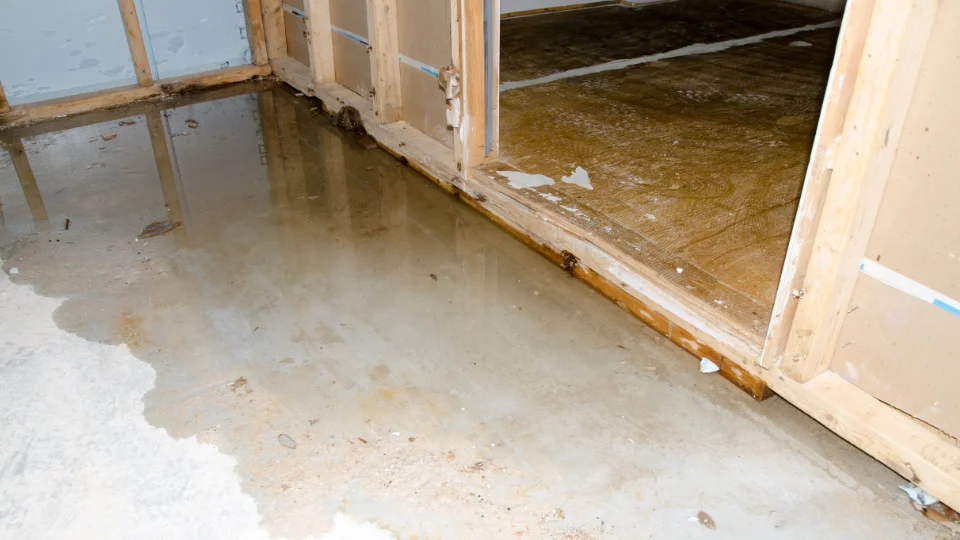
A damp basement is more than an inconvenience. Water that repeatedly enters your home can damage finished spaces, weaken building materials, create mold growth, and reduce your home’s value. Many homeowners try to stop the problem with waterproof paint or sealants, only to discover the leak comes back after the next heavy rain.
The key to lasting results is finding where the water is entering and correcting the underlying issue. Professional basement leak repair focuses on identifying the source of moisture instead of simply covering the symptoms. Whether the problem is a cracked foundation wall, poor drainage, or excessive groundwater pressure, the right repair strategy can keep your basement dry for years to come.
If you’ve noticed water stains, musty odors, or standing water, understanding the causes of basement leaks is the first step toward protecting your home.
Why Basement Leak Repair Should Focus on the Source
Every basement leak has a cause. Water follows the path of least resistance, which means the visible leak inside your basement may not be where the problem actually begins.
Professional basement leak repair starts with a thorough inspection to determine:
- Where water is entering the home
- Why moisture is reaching the foundation
- Whether structural issues are contributing to the leak
- Which repair methods will provide a long-term solution
Stopping water at its source helps prevent repeated repairs while protecting your home’s structure and indoor air quality.
Common Causes of Basement Leaks
Several conditions can allow water to enter a basement. In many cases, multiple issues work together to create ongoing moisture problems.
Foundation Cracks
Concrete naturally expands and contracts as temperatures change. Over time, small cracks can develop in foundation walls or floors. While some cracks are cosmetic, others become entry points for groundwater.
As surrounding soil becomes saturated, water pushes against the foundation. Even narrow cracks can allow moisture to seep into the basement during heavy rain or seasonal snowmelt.
Professional basement leak repair often includes specialized crack injection or structural repair methods that permanently seal these openings.
Hydrostatic Pressure
One of the most common causes of basement leaks is hydrostatic pressure.
When the soil surrounding a home becomes saturated, water builds pressure against the foundation walls. As pressure increases, moisture searches for weak spots where it can enter the basement.
Signs of hydrostatic pressure include:
- Water along the floor and wall joint
- Damp basement walls
- Efflorescence, or white mineral deposits
- Bowing or shifting foundation walls
- Recurring leaks after storms
Simply sealing the inside surface does little to relieve this pressure. Effective repairs often involve waterproofing systems that redirect water before it reaches the basement.
Poor Exterior Drainage
Water should always flow away from your home’s foundation.
If gutters overflow, downspouts discharge too close to the house, or the landscaping slopes toward the foundation, rainwater can collect around the basement walls instead of draining away.
Common drainage issues include:
- Clogged gutters
- Short downspout extensions
- Improper grading
- Soil settlement around the home
- Poor drainage near patios or walkways
Correcting these exterior conditions is often an important part of successful basement leak repair.
Basement Window Leaks
Basement windows are another common source of water intrusion.
Window wells can collect leaves, dirt, and debris that block drainage. During heavy rainfall, water may fill the well and eventually leak through aging window frames or damaged seals.
Installing proper drainage, repairing window wells, or replacing deteriorated windows may eliminate these leaks before they reach the interior.
Interior Waterproofing Systems Play an Important Role
In many homes, interior waterproofing systems work alongside foundation repairs to keep basements dry.
These systems are designed to collect groundwater before it reaches finished living spaces and safely direct it outside through a sump pump system.
Depending on the home’s conditions, interior waterproofing may include:
- Interior drainage channels
- Sump pump installation or replacement
- Vapor barriers
- Drain tile systems
- Moisture management solutions
Rather than allowing water to build beneath the basement floor, these systems provide a controlled path for groundwater to exit the home.
Exterior Waterproofing Can Stop Water Before It Enters
When conditions warrant it, exterior waterproofing addresses the problem from outside the foundation.
This process may involve excavating around the home to access the foundation walls before installing waterproof membranes, drainage boards, or exterior drain systems.
Exterior waterproofing is often recommended when homeowners experience severe water intrusion or when foundation walls require structural repair.
Although it involves more extensive work, it can provide excellent long-term protection by preventing groundwater from reaching the basement walls.
Signs You May Need Basement Leak Repair
Some leaks are obvious after a heavy storm. Others develop slowly over time.
Homeowners should watch for warning signs such as:
- Water puddles on the basement floor
- Damp carpeting or flooring
- Musty odors
- Mold growth
- White mineral deposits on concrete walls
- Peeling paint
- Rust on appliances or metal supports
- Cracks in foundation walls
- Bowing basement walls
- Increased indoor humidity
Even small leaks deserve attention. Water problems rarely resolve on their own and often become more expensive if left untreated.
Why Temporary Fixes Rarely Solve Basement Leaks
Many products claim to stop basement leaks quickly.
Waterproof paint, concrete patch products, and surface sealers may temporarily reduce visible moisture, but they typically fail to address the conditions causing water to enter.
If hydrostatic pressure continues building outside the foundation, water will often find another path into the basement.
Professional basement leak repair focuses on correcting the underlying cause instead of simply hiding the symptoms.
This approach helps homeowners avoid repeated repairs and ongoing water damage.
The Value of a Professional Basement Inspection
Every home experiences different drainage conditions, soil types, and foundation designs.
Because of this, there is no single repair solution that works for every basement.
A professional inspection allows experienced technicians to evaluate:
- Foundation condition
- Crack locations
- Drainage patterns
- Moisture levels
- Waterproofing system performance
- Structural concerns
After identifying the source of the leak, they can recommend repairs based on the home’s specific conditions rather than applying a temporary fix.
This helps homeowners invest in repairs that address the actual problem instead of guessing at the solution.
Protect Your Home Before Water Damage Gets Worse
A leaking basement affects far more than the concrete walls below your home. Moisture can damage flooring, drywall, insulation, stored belongings, and even the structural integrity of your foundation if the problem continues for years.
Addressing leaks early often prevents more extensive repairs later while creating a healthier environment throughout the home. Whether the issue is a small foundation crack or a larger drainage problem, identifying the source is the most important step toward a permanent solution.
If you’ve noticed signs of water entering your basement, don’t wait for the damage to spread. Contact Maryland Mold & Waterproofing for a professional inspection and expert basement leak repair services. Their experienced team can identify the source of the leak, recommend the right repair strategy, and help keep your basement dry and protected for years to come.
FAQ
Can a basement leak indicate a foundation problem?
Yes. While some leaks are caused by drainage issues, others can be the result of foundation cracks or wall movement. A professional inspection can determine whether structural repairs are needed.
Is it safe to finish a basement if it has leaked before?
A basement should be fully evaluated and waterproofed before any finishing work begins. Addressing moisture problems first helps protect drywall, flooring, insulation, and other finished materials from future damage.
How long does it take to identify the source of a basement leak?
In many cases, an experienced waterproofing contractor can identify the likely source during the initial inspection. More complex water intrusion issues may require a more detailed evaluation of drainage patterns, foundation conditions, and existing waterproofing systems.
John Rivers is the guiding force behind Maryland Mold and Waterproofing, specializing in comprehensive waterproofing and mold remediation services. With a focus on protecting buildings from the damaging effects of water and mold, John has established the company as a leader in creating safe, dry, and healthy living environments. His commitment to using advanced techniques and materials ensures effective solutions for every project. Maryland Mold and Waterproofing is dedicated to educating clients on the importance of moisture control and mold prevention, offering expert advice and services to address and prevent these issues effectively.