
 Call Us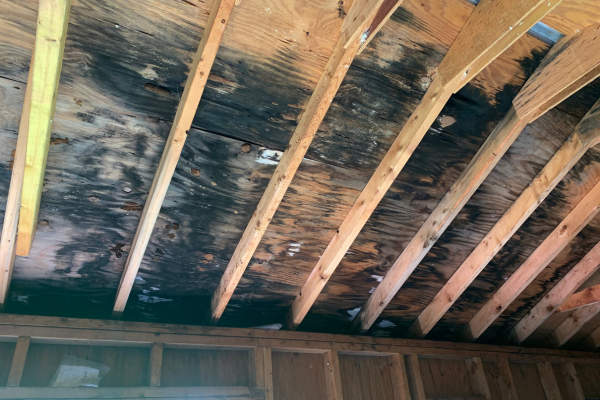
If you have discovered mold in your home, one of the first questions you are likely asking is, “How long does mold remediation take?” Mold problems can feel stressful, especially for Maryland homeowners dealing with damp basements, crawl spaces, or recent water damage. Understanding the timeline helps you plan, set expectations, and protect your home and family.
The answer depends on several factors. No two homes are the same, and mold growth can vary widely based on moisture levels, building materials, and the extent of contamination. This guide explains the mold remediation process, what impacts the timeline, and what homeowners in Maryland should expect from start to finish.
Why Mold Is Common in Maryland Homes
Maryland’s climate plays a major role in mold growth. The state experiences high humidity, frequent rainfall, and seasonal temperature changes. These conditions create the moisture mold needs to grow.
Basements and crawl spaces are especially vulnerable. Poor drainage, foundation cracks, and high groundwater levels allow moisture to build up. After storms or plumbing leaks, mold can begin growing within 24 to 48 hours.
Because mold spreads quickly, early action is critical. Waiting too long can increase both the scope of the problem and the length of the remediation process.
What Mold Remediation Involves
Before discussing timelines, it helps to understand what mold remediation includes. Mold remediation is not just surface cleaning. It is a structured process designed to remove mold safely and prevent it from returning.
The process typically includes inspection, containment, removal of affected materials, cleaning, and moisture control. Each step takes time and must be done correctly to protect indoor air quality and structural materials.
Professional mold remediation follows industry standards and safety protocols. This protects both occupants and technicians while addressing the root cause of mold growth.
Initial Inspection and Testing Timeline
The first step in answering how long mold remediation takes is the inspection. A professional inspection usually takes one to two hours depending on the size of the home and suspected problem areas.
During the inspection, technicians look for visible mold, moisture sources, and signs of hidden growth. Moisture meters and thermal imaging may be used to detect damp areas behind walls or under flooring.
In some cases, air or surface testing may be performed. If lab testing is required, results can take one to three days. This step helps identify mold types and confirm contamination levels.
How Containment Impacts the Mold Remediation Timeline
Once mold is confirmed, containment is installed to prevent spores from spreading to unaffected areas. Containment often includes plastic barriers, negative air machines, and sealed entry points.
Setting up containment usually takes several hours. In larger homes or areas with extensive mold, this step may take a full day.
Containment is a critical part of the process. Skipping or rushing this step can cause mold to spread and increase the amount of time spent on the remediation process.
Mold Removal and Cleaning Duration
The actual mold removal phase varies widely. This is where timelines can differ most from one home to another.
Small mold problems limited to a bathroom or laundry area may be resolved in one to two days. Larger issues affecting basements, crawl spaces, or multiple rooms may take several days.
Removal often includes cutting out contaminated drywall, insulation, or flooring. Porous materials that cannot be cleaned must be discarded. Non porous surfaces are cleaned using professional methods and antimicrobial solutions.
HEPA vacuums and air scrubbers run continuously during this phase. This helps capture airborne spores and improve indoor air quality.
Drying and Moisture Control Time
After mold removal, drying the affected area is essential. Mold thrives in moisture, so remediation is not complete until humidity levels are controlled.
Drying can take one to three days depending on moisture levels and airflow. Dehumidifiers and air movers are often used to speed up the process.
In Maryland homes with chronic moisture problems, additional waterproofing measures may be recommended. These solutions help prevent future mold growth and protect the remediation investment.
Post Remediation Verification and Clearance
Many homeowners want confirmation that mold has been properly addressed. Post remediation verification provides that reassurance.
This step may include visual inspections and follow up testing. If lab testing is used, results can take another one to three days.
While not always required, clearance testing is often recommended for larger mold projects. It adds a small amount of time but provides peace of mind that the home is safe.
Factors That Affect How Long Mold Remediation Takes
Several factors influence the duration of the mold remediation process in a Maryland home.
The size of the affected area is one of the biggest factors. A small isolated issue takes far less time than widespread contamination.
The type of materials involved also matters. Mold on drywall or insulation requires removal and replacement. Mold on concrete or masonry may be cleaned and treated more quickly.
The source of moisture plays a major role. Ongoing leaks or groundwater intrusion must be addressed before remediation can be completed.
Accessibility also affects timelines. Mold hidden behind walls or under floors takes longer to reach and remove.
Weather conditions can also impact drying times, especially during humid Maryland summers.
Typical Mold Remediation Timelines for Maryland Homes
While each situation is unique, general timelines can help set expectations.
Minor mold problems often take two to three days from inspection to completion. Moderate projects affecting a basement or crawl space may take three to seven days.
Severe mold contamination involving multiple rooms or structural repairs can take one to two weeks or longer. Homes requiring waterproofing or drainage improvements may extend timelines further.
Professional contractors will provide a clear schedule after inspection. Transparent communication helps homeowners plan accordingly.
Why Professional Mold Remediation Saves Time Long Term
Some homeowners consider handling mold themselves. While small surface mold may seem manageable, improper cleanup often leads to recurring problems.
DIY efforts may miss hidden moisture or fail to remove contaminated materials fully, causing mold to return in the future.
Professional remediation addresses both mold and moisture sources. This reduces the risk of repeat issues and protects home value.
Experienced contractors also work efficiently. Proper equipment and trained crews complete the job faster and more safely than trial and error approaches.
What Homeowners Can Do to Speed Up the Process
Homeowners can take steps to help the remediation process move smoothly.
- Clearing access to affected areas helps technicians work efficiently. Removing personal items and furniture reduces delays.
- Addressing plumbing leaks or drainage issues promptly also helps prevent setbacks.
- Following post remediation recommendations for humidity control supports long term success.
- Open communication with your contractor ensures expectations are clear from start to finish.
Protecting Your Home After Mold Remediation
Once remediation is complete, prevention becomes the focus. Moisture control is key in Maryland homes.
Basement waterproofing, sump pump systems, and proper grading help keep water away from the foundation. Dehumidifiers help maintain healthy indoor humidity levels.
Routine inspections catch problems early before mold has time to spread. Taking these steps reduces the chances of repeat mold exposure in the future.
Schedule Mold Remediation With Maryland Mold & Waterproofing
If you are dealing with mold in your home, waiting only makes the problem worse. Understanding how long mold remediation takes is the first step toward protecting your property and your health.
Maryland Mold & Waterproofing provides professional mold remediation and moisture control services designed for Maryland homeowners. From inspection to cleanup and prevention, their team addresses the full scope of the problem.
Contact Maryland Mold & Waterproofing today to schedule an inspection and take the first step toward a healthier, safer home.
FAQs
How long does mold remediation take for a typical home?
In many cases, mold remediation takes between two and seven days. The exact timeline depends on the size of the affected area and the severity of the mold.
Does mold remediation take longer if mold is hidden?
Yes, hidden mold behind walls or under flooring can increase how long mold remediation takes. Additional time is needed to locate, access, and properly remove affected materials.
Can I stay in my home during mold remediation?
In some cases, homeowners can remain in the home if the affected area is properly contained. Larger projects may require temporary relocation for safety reasons.
John Rivers is the guiding force behind Maryland Mold and Waterproofing, specializing in comprehensive waterproofing and mold remediation services. With a focus on protecting buildings from the damaging effects of water and mold, John has established the company as a leader in creating safe, dry, and healthy living environments. His commitment to using advanced techniques and materials ensures effective solutions for every project. Maryland Mold and Waterproofing is dedicated to educating clients on the importance of moisture control and mold prevention, offering expert advice and services to address and prevent these issues effectively.